
Reviewed · WALKING TOURS
World War II Malta Full-Day Walking Tour
What makes this WWII Malta tour so compelling is how it turns big events into real street corners and underground spaces. I love that you get Air Raid Shelters and Fort St Elmo included, so you see the war from both sides, below ground and from the defensive walls.
I also love the respectful stopping points. You’ll hit major remembrance sites like the RAF Commonwealth aircrew monument, the Siege Bell over Valletta Harbor, and memorials tied to Operation Pedestal. The main thing to consider is that this is a 7-hour walking day, and some stops can feel time-crunched if you want to linger over every view or exhibit, so wear good shoes.
Key highlights worth the time
- Fort St Elmo and air raid shelters give you context, not just photos
- Lascaris War Rooms shows how Malta’s air defense was directed underground
- Memorials that matter, from Commonwealth aircrew losses to Operation Pedestal sailors
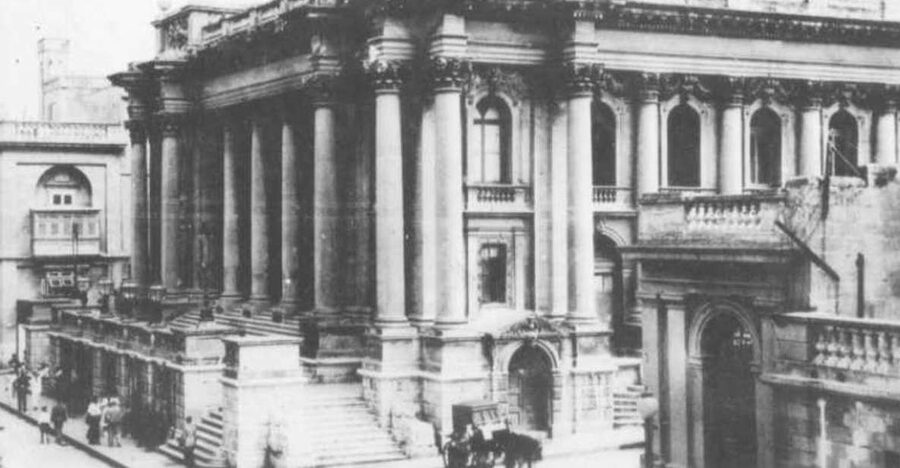
- Valletta sites tied to 1942 bombing, including the former Royal Opera House area
- Upper Barracca Garden and the Siege Bell, for harbor views and a clear sense of scale
Walking Malta’s WWII Front Line, Vittoriosa to Valletta
This isn’t a tour that only talks about “history stuff in books.” You walk through Valletta’s fortifications and key landmarks while your guide connects them to the Siege of Malta, when the island became a strategic hinge in the Mediterranean.
You start with the big picture: Malta sat between Axis supply routes and Allied pressure in the North Africa campaign. During 1940 to 1942, the air forces and navies of Italy and Germany faced off against the Royal Air Force and Royal Navy. When the North Africa front shifted in mid-1940, Malta’s value spiked even higher, because British air and sea forces based on the island could strike Axis ships moving supplies and reinforcements from Europe.
One of the smartest parts of this day is that your route doesn’t treat “war” like one single monument. It spreads the story across defense lines, shelters, command rooms, and memorial squares. That approach helps you understand why Malta mattered, not just what happened.
More Full-Day Tours in Valletta
- From Malta: Full-Day Gozo UTV Tour with Lunch and Boat Ride
★ 4.6 · 4,408 reviews - From Malta: Full-Day Gozo Quad Tour with Lunch and Boat Ride
★ 4.8 · 1,419 reviews - Gozo Full-Day Jeep Tour with Private Boat to Gozo & return
★ 4.5 · 1,048 reviews
Air Raid Shelters and Fort St Elmo: war seen from inside the walls
Fort St Elmo is one of those places where the stones do half the explaining. You’re not just looking at a viewpoint, you’re standing in a spot built to defend a harbor approach. With the included entrance, you can follow the logic of the defenses instead of guessing what you’re seeing.
Then the tour shifts to the air raid shelters. Getting inside these shelters is valuable because it changes the way you picture the siege. Malta wasn’t only about battles in the sky and at sea. It was also about surviving nights under threat, with people seeking protection while the bombing campaigns rolled on.
If you want practical advice here: bring comfort-first shoes and expect you’ll be doing stairs and uneven ground at least a few times. The tour is a walking day, and the included sites are placed to make the war story physical, not abstract.
Lascaris War Rooms: the underground brain of Malta’s air defense
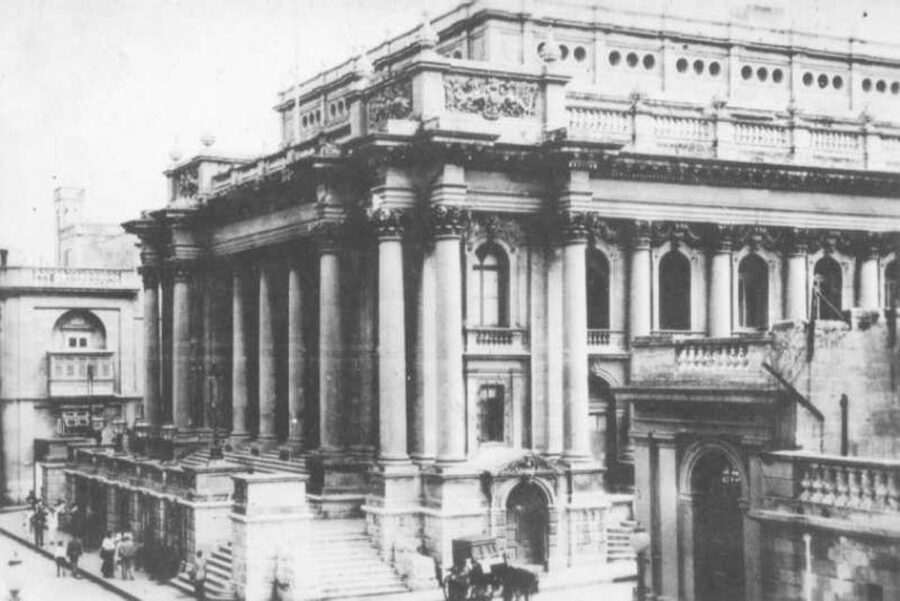
After you’ve seen defenses and shelters, the day goes even more “inside the system” with the Lascaris War Rooms complex. This is where Malta’s air defense was conducted, and where key leaders directed operations connected to major Mediterranean sea battles.
The punchline for your understanding is that command didn’t happen only in bright, modern offices. It happened underground, with planning and coordination that had to keep pace with raids and shifting fronts.
The tour also connects this room to the later Invasion of Sicily in 1943, which gives you a helpful timeline bridge. Even if you came to see the Siege of Malta, you’ll leave with a clearer sense that the same command infrastructure and strategic thinking kept influencing events after the siege phase.
One small reality check: underground sites can be cooler and sometimes dimmer than you expect, so keep an eye on your footing.
Memorials and monuments: RAF losses, Operation Pedestal, and the Siege Bell
This tour does something I really appreciate. It makes room for remembrance without turning it into a checklist. You’ll pay your respects at several memorials, including two that most people remember clearly.
First, you’ll see the RAF Monument commemorating 2,298 Commonwealth aircrew who lost their lives in World War II air battles. It’s the kind of stop that makes the “air war” feel human. You’re not only learning dates, you’re seeing the scale of loss.
Second, you’ll visit the Santa Marija Memorial, an anchor-shaped monument tied to Operation Pedestal. This is about the sailors who were part of one of the major efforts to keep Malta supplied. If Malta’s value was strategic, this is one of the clearest symbols of what that value cost.
Finally, you end up at the Siege Bell Memorial overlooking the Great Harbor of Valletta. Built in 1992, it honors the 7,000 people who lost their lives during the Siege of Malta. Standing near the bell gives you a rare pairing of meaning and location: you can look out toward the harbor and feel how exposed the island was.
More Walking Tours in Valletta
- The Original Valletta Walking Tour
★ 5.0 · 2,719 reviews - Valletta: 3-Hour Walking Tour
★ 4.7 · 1,605 reviews - Valletta: Guided City Walking Tour
★ 4.8 · 1,256 reviews - Valletta: Street Food and Culture Walking Tour
★ 4.8 · 1,251 reviews
Valletta Land Front details: Porta Reale, bomb sites, and the story in stone
Valletta can feel like a living museum on a good day, and this tour adds a second layer. Your guide points out the defensive structure and then connects it to wartime events that hit the city hard.
You’ll start with the Valletta Land Front, including Porta Reale, a curtain wall at the center of the front line. That stop matters because it helps you understand that Valletta’s shape is not random architecture. It’s a defense plan.
Then you move to Pjazza Teatru Irjal, the site of the former Royal Opera House. This area was extensively bombed in 1942. It’s a striking contrast: the arts in peacetime, the destruction in wartime. Even if you’re not an opera person, that kind of contrast lands.
Next, you’ll walk along Strada Stretta, and you’ll see Misrah San Gorg, also known as St George’s Square. This spot ties to the George Cross awarded to the island in 1942. For me, that’s one of the best ways to understand Malta’s wartime identity. The award is not just a medal story, it’s a story of what the island endured and how it was recognized afterward.
Republic Square, Victory Kitchens, and Victory-era practicality
From the memorial squares, the tour shifts into survival and everyday choices. You’ll see the Queen Victoria Statue in Republic Square, and then you’ll learn about Victory Kitchens, community kitchens created to avoid food waste during a time of shortage.
That stop is surprisingly important for your overall comprehension. Siege stories often focus on heroics and tactics. Victory Kitchens help you remember that an occupied, bombed place also needs systems for food, rationing, and community cooperation. It’s a reminder that “home front” wasn’t background noise. It was survival engineering.
You’ll also pass Victoria Gate, built on the site of the old Del Monte Gate. That kind of reuse, when a city keeps building in the same strategic places, shows how war reshaped daily geography but didn’t erase it.
Upper Barracca Garden and the Siege Bell views
Upper Barracca Garden is where your brain finally gets a breather, because the views let you make sense of the layout. From here you’ll see statues, including Winston Churchill and other prominent men.
Even if you’re tired at this point, the view helps you connect the dots you’ve been given all day. You’ll see why harbor access mattered and how exposed Malta was to ships and aircraft movements.
And then the Siege Bell Memorial seals the mood. Looking out over the Great Harbor of Valletta after visiting memorials feels different than looking at a viewpoint first. By then, you understand what you are seeing, not just how pretty it looks in daylight.
How the 7-hour schedule feels in real life
Seven hours is a full day, but not an all-day slog if you’re ready for walking and short stop windows. The best way to enjoy it is to treat each stop like a chapter.
Here’s what usually matters for your experience:
- Your guide sets the pace between underground sites (shelters and war rooms) and above-ground squares and streets.
- You’ll get time at major points, but you should expect that some locations will be more “see and learn” than “slow and read every wall label.”
- The day ends with museum time. In some cases, you’ll have self-guided museum access after the main guiding portion, so plan to skim efficiently if you have a short attention span.
One communication tip: if sound is a concern for you, don’t pick a spot far from the guide on transport segments. I’ve seen people struggle to hear from a distance, even when the guide is great.
Value for $71: what’s included and what that means for your budget
At $71 per person for a 7-hour tour, the value comes from the mix of guided interpretation plus paid entry. You’re not just paying for a walk through streets. The tour includes:
- Pick up and drop off at your hotel or nearest point
- A licensed local guide
- Tickets to the air raid shelters
- Ticket to the Malta War Museum
- Fort St Elmo and Air Shelters entrances included
- Lascaris War Rooms entry as part of the underground complex experience
Lunch is not included, so you’ll need to budget for food on your own. But that can work in your favor, because it lets you eat close to a place you actually want, instead of being forced into one option.
When a tour bundles admissions for major sites, it usually costs less than buying everything separately, especially when you want the story to be guided end to end.
Who this tour is best for
This is a strong choice if you:
- Want WWII Malta explained through specific locations, not vague overviews
- Like your history grounded in places with meaning, memorials, and real defensive architecture
- Prefer a guide to connect the dots between air war, naval pressure, and what daily life looked like under siege
You may want to skip it if:
- You have mobility challenges. This tour is not suitable for people with mobility impairments.
- You need long, unhurried museum time. The day is structured, so viewing windows can be tight.
If you’re traveling solo, this can also feel reassuring because you’re guided through the city and you won’t feel stuck figuring everything out alone.
Should you book this WWII Malta full-day walking tour?
Book it if you want one day that turns the Siege of Malta into a walkable, understandable story. The included shelter access, Fort St Elmo entry, and the Lascaris War Rooms complex are the big reasons this is worth your time. Add memorial stops tied to Commonwealth aircrew losses, Operation Pedestal, and the Siege Bell, and you get a day that feels both educational and respectful.
Pass or rethink if you’re looking for a super relaxed pace or a lot of independent browsing. This tour is structured, and you’ll do better if you come with flexible expectations and solid shoes. If that sounds like you, you’ll likely leave with a sharper sense of why Malta mattered and what it cost.
FAQ
How long is the World War II Malta full-day walking tour?
The tour lasts 7 hours.
Is lunch included in the price?
No, lunch is not included.
What is included in the tour ticket for entrances?
Entrances to Fort St Elmo and Air Shelters are included, and you also get a ticket to the Malta War Museum and ticket to the Air Raid Shelters.
Do I get hotel pickup and drop-off?
Yes, pickup and drop-off are included from your hotel or the nearest point.
What language is the tour guide?
The tour is guided in English.
Is the tour suitable for people with mobility impairments?
No, it is not suitable for people with mobility impairments.
More Full-Day in Valletta
- Malta: Full-Day Gozo Buggy Tour with Lunch & Boat Ride
★ 4.7 · 610 reviews - From Sliema: Full-Day Cruise to Comino and the Blue Lagoon
★ 3.6 · 609 reviews - Private Customizable Full-Day Tour in Malta
★ 5.0 · 416 reviews - Malta: Gozo Full Day Buggy Tour with lunch and Comino Stop
★ 5.0 · 233 reviews
Walks through Valletta
- Valletta: City Walking Tour in a Small Group
★ 4.9 · 957 reviews - Valletta: Maltese Food and Drink Guided Walking Tour
★ 4.7 · 601 reviews - Valletta City Walking Tour
★ 5.0 · 395 reviews - Valletta Walking Tour, In a Small Group
★ 5.0 · 370 reviews
Added recently in Valletta
- Tour of Malta (Private Driver) Including Lunch Platter & Wine in the countryside★ 4.5 · 3 reviews
- Valletta Private Historical and Cultural Walking Tour★ 5.0 · 4 reviews
- Valletta: Express Walk with a Local in 60 minutes★ 4.9 · 4 reviews
- Shore Excursion: Private Full-Day Tour of Valletta & Mdina★ 5.0 · 4 reviews
- Private Tour in Malta Prehistoric Temples & Mdina★ 5.0 · 4 reviews
- Private Tour of the Maltese Island (Private Driver)★ 5.0 · 4 reviews
- Leisure Pass in Malta★ 4.0 · 4 reviews
- Valletta: Guided Walking Tour★ 3.8 · 5 reviews
Walking Tours, compared.

Valletta: Street Food and Culture Walking Tour
Read our review →

Valletta: Guided Walking Tour with Optional Cathedral Tour
Read our review →
The Valletta Street Food and Culture Walking Tour
Read our review →Browse the lists this tour appears in