
Reviewed · MDINA TOURS
Malta: Mdina and Rabat Walking Tour with Catacombs
Mdina and Rabat have a special trick up their sleeve: you get medieval streets and church domes above ground, then you go underground to catacombs and WWII shelters. Add in the views from the bastions, and you get Malta in layers, not just one postcard angle.
What I like most is the mix of Mdina highlights (Cathedral, palazzos, city gates) with the Rabat underground stops included in the price. Another strong point is how the best guides bring the places to life, with room for questions and stories that connect the two towns. One possible drawback, plan for more walking and standing than you might expect, and the underground parts can feel airless.
Key things that make this tour worth your time
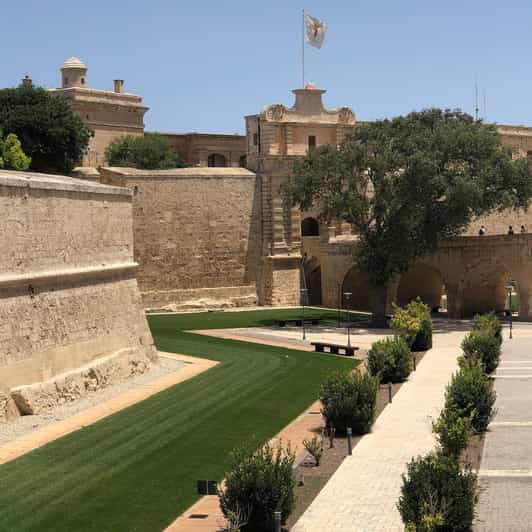
- Città Notabile by foot: Mdina’s narrow streets and long-lived layout make it feel timeless.
- Top Mdina stops: Palazzo Vilhena, St Agatha’s Chapel, Banca Giuratale, Mdina Cathedral, and classic gate scenery like Greeks Gate.
- Cathedral and bastion views: You’ll see why Mdina dominates the skyline from its higher ground.
- Rabat added depth: You move from Mdina’s stillness into Rabat’s layered history.
- Underground included: Catacombs, St Paul’s Grotto, and WW2 shelters all have entry included.
- Guides who keep it moving: You’ll hear humor and clear explanations, with guides like Mario and Carmel often praised for pacing and answering questions.
First stop outside Mdina Gate, where the old city sets the tone
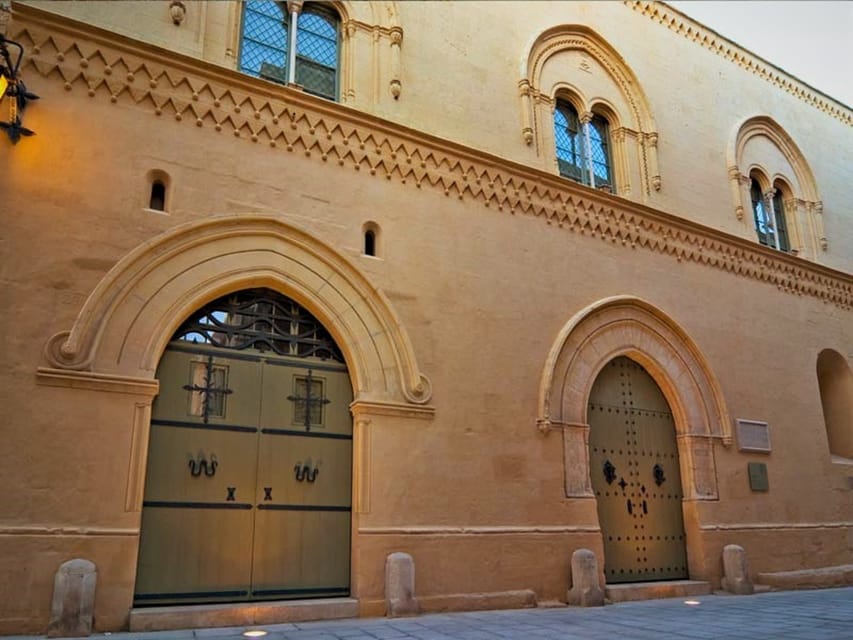
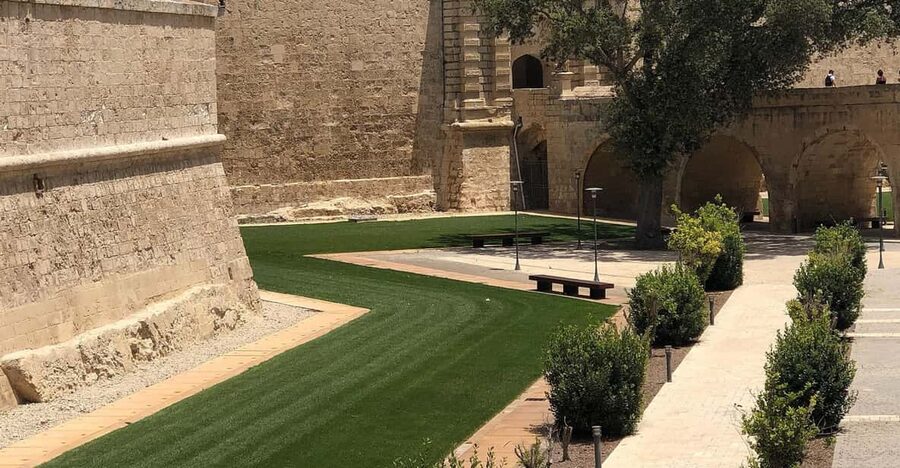
You meet your guide just outside Mdina Gate, by the playing field. That matters because Mdina can feel like a maze if you arrive cold. Starting at the gate helps you get your bearings fast, then the tour builds from there into a clean route.
Mdina sits on a plateau in the middle of Malta. Even without big signage, the city’s layout tells a story. It’s been lived in for a very long time, with Bronze Age roots, then Phoenician and Roman settlement layers, and later the layout you mostly recognize linked to Arab rule. Even if you do not call history by dates, you feel it in the streets.
I also like that the guide frames Mdina as Città Notabile, the noble city. That simple idea helps you read the place. You start noticing why palazzos look so confident, why churches and bastions dominate the skyline, and why the city feels built for status and defense at the same time.
One practical note: you will want comfortable shoes because you’ll be walking and stopping often. Mdina is not a place for flip-flops, and the streets can be uneven.
More of Rabat:
- Mdina and Rabat: Guided City Walking Tour
★ 4.8 · 549 reviews - Mdina and Rabat Insider’s Tour
★ 5.0 · 528 reviews - Valletta: Vintage Bus to Valletta, Sliema, Rabat & Mdina
★ 4.1 · 433 reviews
Mdina streets and palazzos: Vilhena Palace, St Agatha’s Chapel, and the Cathedral
The Mdina portion is the “above ground” backbone of the whole tour. This is where you get the city’s signature blend of medieval bones and later baroque style. If you love architecture but hate vague talking, you’ll appreciate a guide who points out what you are actually looking at.
Expect stops around major landmarks such as Vilhena Palace and St Agatha’s Chapel. You’ll also hear about the civic heart of the city, including the Banca Giuratale. These places are not random. They help you understand how Mdina functioned as more than a pretty backdrop.
Then comes Mdina Cathedral, one of the iconic anchors of the skyline. Even if you only see the exterior at first, the guide’s timing helps. You learn what to look for, why it matters in Malta’s story, and how the cathedral fits into the city’s rebuilt era after a major 1693 earthquake that pushed major reconstruction.
Two things I’d call out here:
- The Cathedral stops make Mdina feel real. It stops being only “pretty stone” and becomes a place with a reason to exist and a reason to be powerful.
- The palazzo and chapel mix keeps you from zoning out. Mdina could feel repetitive if you just wander. A route with variety turns the walk into a set of mini reveals.
If you want photos, plan for a steady stream of good angles. But also plan for time spent looking up. Mdina is one of those towns where the best details are above eye level.
Learning the Mdina story: why the city changed, and why it did not

A big part of what makes this tour feel valuable is the way it connects cause and effect. Mdina was once Malta’s capital, then lost importance when Valletta rose. Later, the 1693 earthquake triggered reconstruction. After that, Mdina changed less than most cities.
That is the key. The tour doesn’t treat Mdina like a static museum. It explains how political shifts and disasters shaped the city, and why the streets you walk today feel so familiar to the past. When you hear that, the quiet streets stop feeling slow and start feeling preserved.
Guides also tend to add local color. Some guides have a teaching style that comes through, like the way Mario has been described as a history teacher type, with humor and lots of chances for questions. Carmel is another guide name you’ll hear praised often, especially for clear storytelling and good pacing.
I would not call Mdina a place for speed. This is a “watch, listen, and ask” kind of tour.
Bastion wall panoramas: where to pause for views (and why they matter)
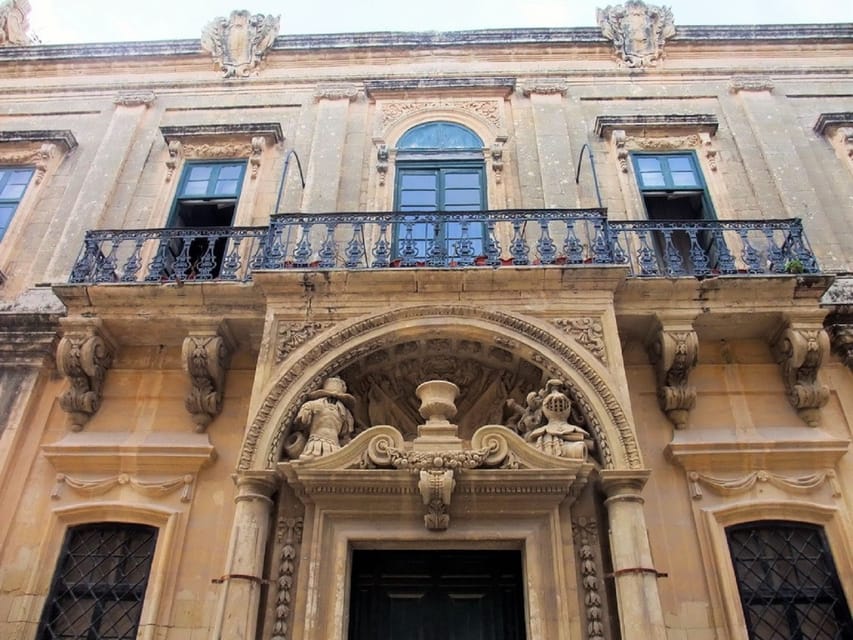
Mdina’s bastions are not just for dramatic photos. They give you the real geography. Mdina sits high, and from the walls you start understanding the logic of where the city is placed and why it was defensible.
Your guide will likely point out how the bastions relate to the city’s skyline dominance, and how the city’s layout makes sense when you can see the plateau and surroundings. If you only see Mdina from street level, you miss that sense of control and viewpoint.
The best move is simple: pause when your guide cues the viewpoint. Don’t rush to the next stop. Those walls are where the walking tour pays off.
Timing matters too. If you do this later in the day, Mdina can feel quieter, even deserted in places. One practical hint: if you prefer more lively atmosphere, choose an earlier departure when possible.
Other visits to Mdina:
- Malta: Highlights of Malta & Mdina Full Day Tour with Lunch
★ 4.4 · 2,688 reviews - Malta: Mdina, Dingli Cliffs and San Anton Botanical Gardens
★ 4.3 · 991 reviews - Malta: Mdina and Rabat Tour with Local Guide
★ 5.0 · 408 reviews - Mdina and Rabat Walking Tour inc. Catacombs and St. Paul’s Grotto
★ 5.0 · 341 reviews
Rabat after Mdina: a smooth shift from fortified quiet to lived-in layers
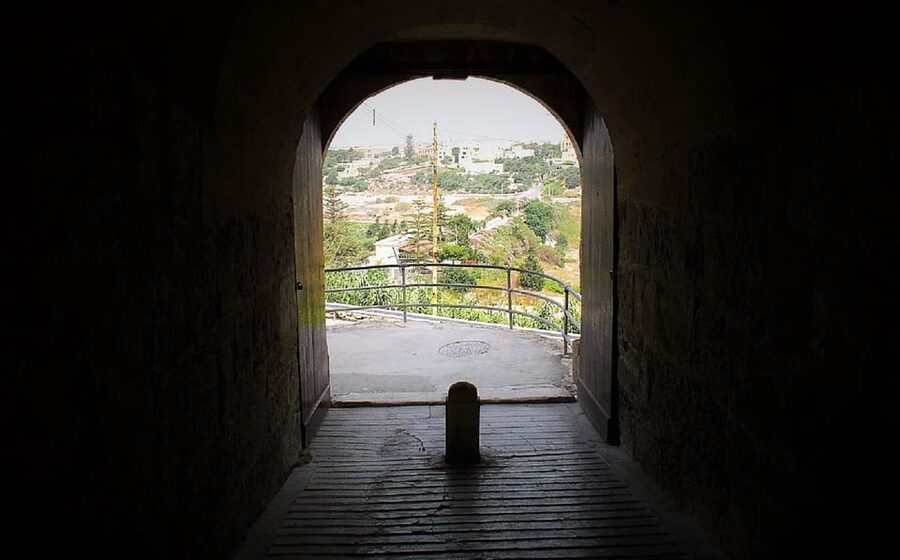
After Mdina, you go into Rabat, a short transition that changes the mood. Mdina’s streets feel contained. Rabat feels connected to the rest of the island and more everyday.
The tour includes entry into Wignacourt Museum while in Rabat. This helps you connect artifacts and context to what you are about to see underground. Then the focus turns to three specific attractions in the Rabat area: WW2 Shelters, catacombs, and St Paul’s Grotto.
I like this structure because it changes time periods without feeling chaotic. You are not just switching places. You are switching themes: medieval city life, then survival during wartime, then early Christian burial spaces tied to Malta’s tradition around St Paul.
If you like your history in a straight line of meaning, Rabat gives you that.
St Paul’s Grotto and the catacombs: what you actually experience underground
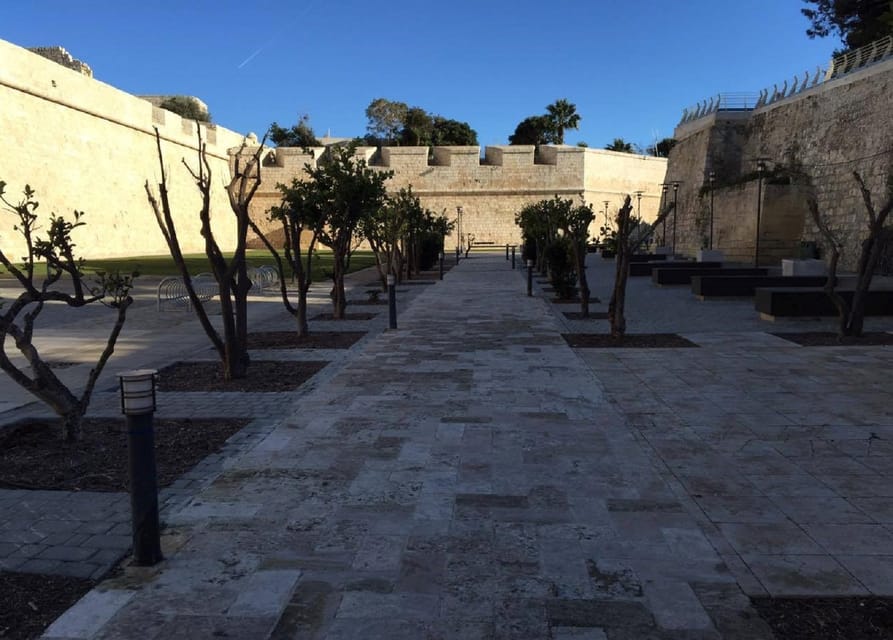
This is the part that many people talk about because it is included, and it is different from typical “church exterior” tours. You enter St Paul’s Grotto and explore the catacombs.
The feeling down there is part of the story. Even without getting too dramatic, plan for a cooler, enclosed experience compared with the open air of Mdina. Some visitors note it can feel airless, so if that is a concern, take it seriously.
Here’s what I’d do based on that: if you have claustrophobia worries, tell your guide before you descend. Some tours handle this by explaining expectations and allowing people to choose what they feel comfortable doing. The guide’s role here is practical, not just historical.
The catacombs also tend to be described as interesting rather than creepy. That helps a lot if you do not want horror vibes, and if you prefer history that feels human. It is about a place built for burial and ritual, not a haunted-house setup.
Also bring your expectations into alignment: this portion is not the time to “save energy.” You’ll likely do stairs and uneven steps, and you’ll stand while listening. Comfortable shoes still matter here.
WWII shelters: a reminder Malta had to hide, not just watch

One of the tour’s smartest choices is including WW2 Shelters along with the ancient sites. Malta’s WWII story is not background. It shaped daily life, and the shelters are a physical reminder of that.
Seeing shelters inside the same walking day as catacombs and grottoes creates a strong contrast. You go from burial spaces to wartime protection. The theme shifts from faith and remembrance to survival and sheltering, which makes the day feel more complete.
If you enjoy human-scale history, this stop does a lot with not a lot of time. You get a tangible sense of what people needed to endure and how spaces were designed to protect.
If your guide leans into storytelling, this is often where the group starts asking more questions. It is one thing to read about WWII. It is another to look at a shelter designed to hold real fear and real urgency.
WW2, Christianity, and the city above: how the day connects
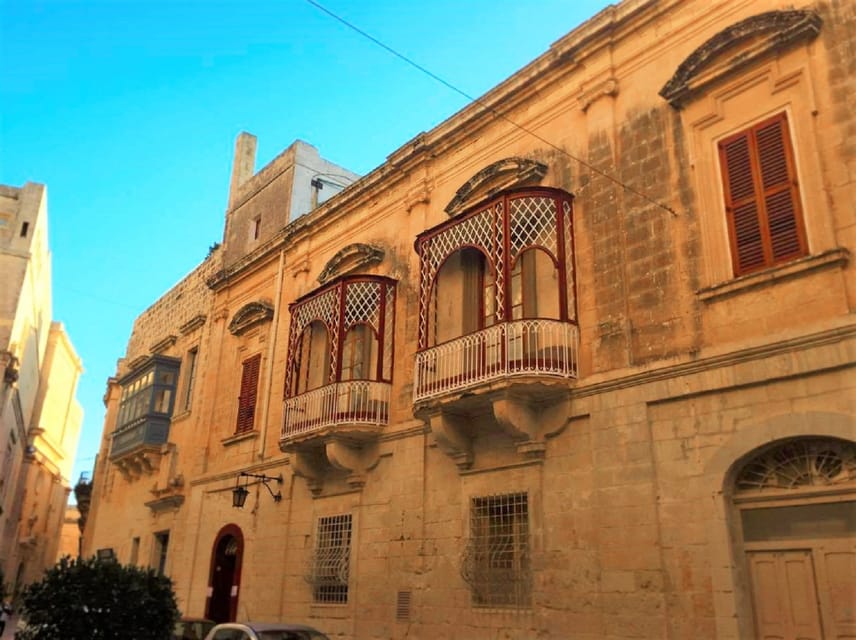
Even with several stops, the day holds together because the tour keeps tying back to Malta’s layers. Mdina gives you the “noble city” feel. Rabat and Wignacourt museum help you ground what you see. Then the underground stops do the emotional work.
You end up with a tour that answers a question many first-time visitors have: why does Malta feel both ancient and intensely lived-in? The answer is that Malta’s history is not separated into neat boxes. It overlaps. People adapted older spaces, built new ones, and survived multiple eras in the same geography.
That connection is exactly what makes the tour feel like more than a checklist.
Price and time: $29 for 2.5 hours with multiple paid entrances
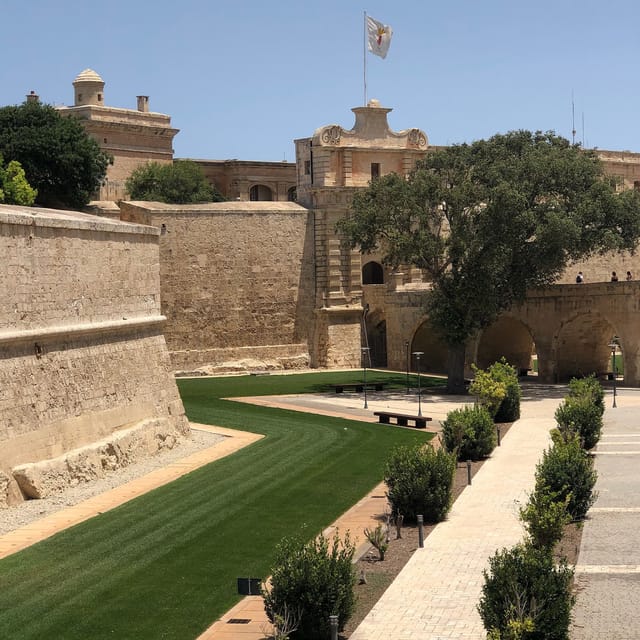
At $29 per person and about 2.5 hours, this tour is priced as a high-value sampler. The biggest value lever is that entrance fees are included for the underground attractions: catacombs, WW2 Shelters, and St Paul’s Grotto.
That matters because those are the kinds of stops that can add up if you book them separately. Here, you avoid the decision fatigue and the ticket hassle. You also keep the day moving with a guide who connects the dots.
Is 2.5 hours enough? For highlights, yes. Some people feel it moves quickly if they want to linger, especially in enclosed areas like the catacombs. But most of the praise focuses on pacing, not rushing.
So I see it as a good choice if:
- You have limited time in Malta.
- You want a guided route that reduces confusion in old towns.
- You care about value, not just sightseeing.
Who should book this Mdina and Rabat tour, and who might skip it
This tour fits best if you like structure. You want a guide to show you where to look, then tell you why it matters. If you are a first-time visitor, the Mdina context alone can make the whole area click.
It also works well if you enjoy a humor-forward guide style. Names like Carmel, Matthew, and Mario come up in praise for pacing and for making the history feel easier to hold onto. Many guides also invite questions, which is great when you want the story, not just dates.
Skip it or consider alternatives if:
- You struggle with walking and standing for a longer stretch.
- You get uncomfortable in enclosed spaces, since the underground parts can feel airless.
- You are traveling with very young kids who may not handle a mostly adult-paced history walk.
Should you book this tour?
Yes, if you want Mdina and Rabat with the paid underground stops included, and you like learning through a guided route instead of wandering and guessing. The price makes sense because the catacombs, St Paul’s Grotto, and WWII shelters are not quick drive-bys.
I’d especially book it if you care about turning old streets into a story. Mdina can look like a pretty maze until someone gives it a framework. Rabat then adds the wartime and early Christian context that makes the day feel complete.
Just come prepared: comfortable shoes, water, sunscreen, and a sun hat. If you have mobility issues or claustrophobia concerns, mention them to your guide at the start so you can plan your comfort level.
FAQ
How long is the Mdina and Rabat walking tour with catacombs?
The tour duration is listed as 2.5 hours.
Where do I meet the guide?
Meet your guide outside Mdina Gate, next to the playing field.
What’s included in the price?
The price includes a professional licensed guide and entrance fees to the catacombs, WW2 Shelters, and St Paul’s Grotto.
Do I need to bring food and drinks?
Food and drinks are not included, and you are advised to bring food and water.
Is this a walking tour?
Yes, it’s a walking tour, and you should plan for comfortable shoes and time spent walking and standing.
Is the tour suitable for wheelchair users or mobility impairments?
The information provided says it is wheelchair accessible, but it also says it is not suitable for people with mobility impairments and wheelchair users. If you have mobility needs, check with the operator before booking.
What should I wear or bring?
Bring comfortable shoes, a sun hat, sunscreen, water, and comfortable clothes.
Walks through Mdina
- Mdina and Rabat – City Walking Tour
★ 5.0 · 215 reviews - Mdina: Private Historical City Walking Tour with Rabat Town
★ 4.5 · 41 reviews - Mysteries and Histories of Mdina – Walking Tour
★ 5.0 · 29 reviews - Discover Mdina & Rabat Private Walking Tour
★ 4.5 · 28 reviews
Added recently in Mdina
- Shore Excursion: Private Full-Day Tour of Valletta & Mdina★ 5.0 · 4 reviews
- Private Tour in Malta Prehistoric Temples & Mdina★ 5.0 · 4 reviews
- 30-Minute Mdina Experience Audio-Visual Show Ticket (Open Ticket)★ 4.5 · 4 reviews
- Malta Shore Excursion: Private tour of Valletta and Mdina★ 4.5 · 8 reviews
- Mosta Crafts Village Mdina and Valletta Full Day Tour★ 3.5 · 8 reviews
- Mdina, Dingli cliffs and San Anton Gardens guided tour★ 3.5 · 14 reviews
- Valletta, Mosta and Mdina Night Tour★ 3.5 · 15 reviews
- Valletta & Mdina: Private Tour★ 4.5 · 16 reviews
Mdina Tours, compared.
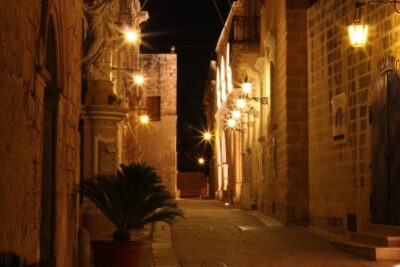
Highlights of Malta & Mdina Full Day Tour with Lunch
Read our review →
Mdina, Dingli Cliffs and San Anton Botanical Gardens
Read our review →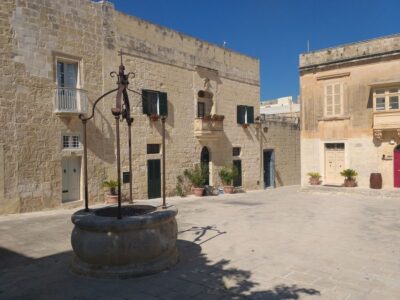


Valletta: Vintage Bus to Valletta, Sliema, Rabat & Mdina
Read our review →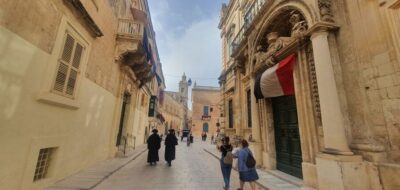
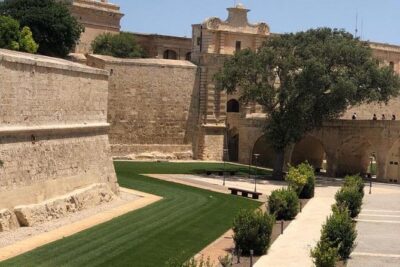
Mdina and Rabat Walking Tour inc. Catacombs and St. Paul’s Grotto
Read our review →Mdina: Valletta Waterfront Area, Mdina, and Rabat Night Tour
Read our review →Browse the lists this tour appears in