
Reviewed · HISTORICAL TOURS
Wonderful Valletta, gastronomy, art, and history in the Mediterranean
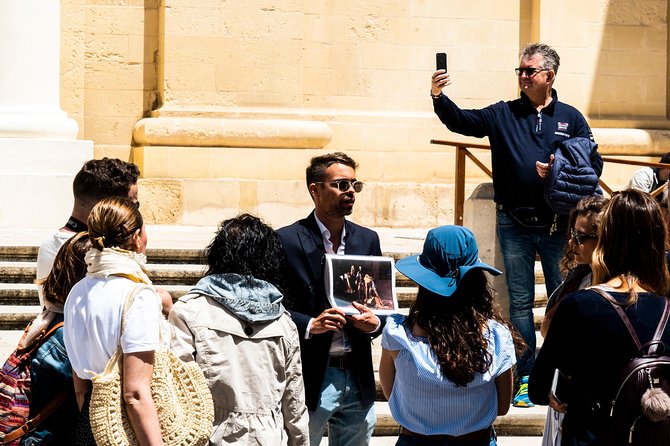
Valletta is the kind of place that feels like it was built to be walked slowly. This 2-hour guided loop gives you a clean hit of Mediterranean history, the art stories people actually come for, and the food you want right after.
I especially like how it covers Valletta’s turning points, from the Knights onward, instead of treating the city like a theme park. I also like the food angle that ties Malta’s appetite to its past, from Italian influence to British-era touches.
One consideration: the tour style can vary by guide, and if you are hoping for a strict, factual-only history and a longer tasting menu, you may feel disappointed.
Key highlights worth putting on your radar
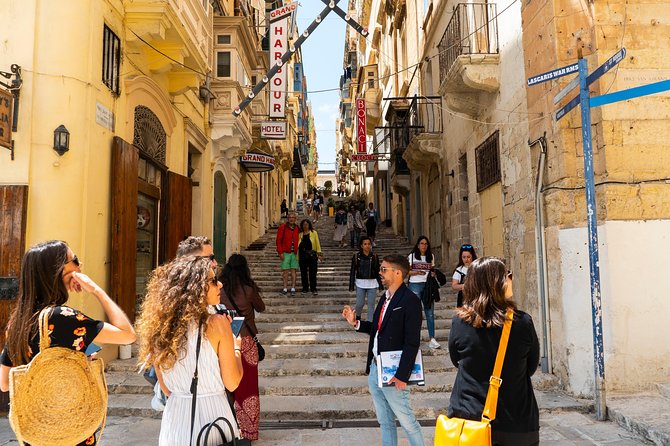
- Small group size keeps the pace personal, max 10 people
- Caravaggio alley stories connect famous art to real streets
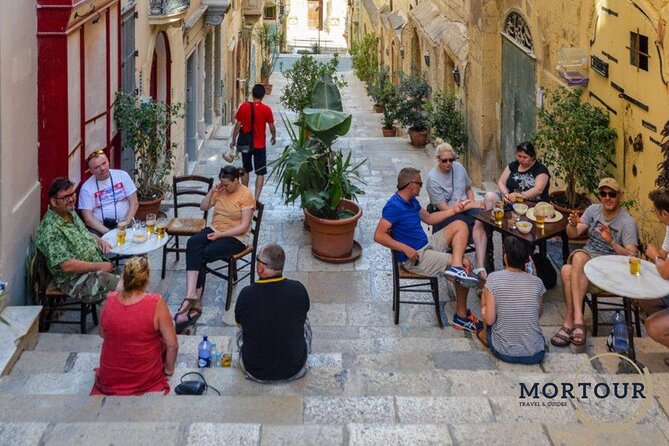
- Pastizzi and local snacks make the history hit harder (and taste better)
- British-era Valletta details help you spot what makes the city feel different
- Covers major eras from Ottomans to the Knights, then later powers
- Ends at St John’s Co-Cathedral so you finish with a strong visual anchor
Why Valletta history works in just 2 hours
Valletta is tiny, and that is the trick. In a short walk, you can go from sea-level views and fortress energy to tight stone streets with centuries stacked on top of each other. This tour is built for that reality, so you are not stuck between far-flung stops.
The best part is how the story moves through power shifts. You get the sense of why Valletta kept getting coveted, from the Ottoman period and the Knights to later rulers such as Napoleon, the British, and even references to the Third Reich. The city reads differently once you understand that it was repeatedly fought over and re-styled.
And yes, the tour does not treat food like an afterthought. It builds in Malta’s gastronomy as part of the culture, including staples like pastizzi and quick ideas for pizza, plus where to grab a cocktail when the night mood hits.
A few more Malta options to weigh up
- Maltese Islands History Audio-Visual Show and La Sacra Infermeria Tour
★ 4.0 · 344 reviews - The Dark History of Valletta – Walking Tour
★ 5.0 · 50 reviews - The Food & History Private Tour of Malta
★ 4.5 · 44 reviews
Start at Victoria Gate, end at St John’s Co-Cathedral
You meet at Victoria Gate, listed as Victoria Gate, VGW7+9FV, Liesse, Il-Belt Valletta. The walk continues through the central lanes and finishes at St John’s Co-Cathedral, at Triq San Gwann, Il-Belt Valletta.
That start and end matter. Victoria Gate gives you an immediate sense of Valletta as a defended city, not just a postcard. Finishing at St John’s Co-Cathedral lands the tour with one of the most recognizable landmarks in town, which helps you remember the whole route as a single loop.
Do yourself a favor and arrive a few minutes early. One issue that can derail tours in this area is simply finding the right meeting spot at the right time, especially with multiple tour groups floating around.
The alleys tour: power, religion, and the city’s “why”
The core of this experience is a guided walk through Valletta’s historic nucleus, including streets tied to big names and dramatic episodes. You are looking at early 16th-century buildings and the kind of urban layout that evolved for defense, movement, and control.
Expect the guide to connect key eras to what you can actually see: fortification logic, religious identity, and how different foreign influences left visible fingerprints. The goal is not to memorize a timeline, it is to understand what made Valletta so desirable, and why rulers kept investing in it.
A smart way to use this tour is to treat it like orientation with context. After 2 hours, you should be able to point at parts of the city and say what period they belong to, even if you only remember a few big facts. That is how the tour earns its value.
Caravaggio in the street-level version of art
One of the most distinctive bits is the discussion of Caravaggio and the alleys where he escaped from justice, tied into what you are seeing around you. That matters, because art history in Malta can feel too abstract if someone only talks from a textbook.
Here, the art story is attached to real urban space, so it sticks. Even if you are not an art expert, you can follow the narrative and start noticing details in the streetscape that you might otherwise ignore.
One note: the art segment may feel shorter than a dedicated museum day. If your main goal is hours of art analysis, pair this walking route with another stop later in your visit. But if you want art context while you are already enjoying Valletta on foot, this fits nicely.
Same islands, a different way to spend the day:
- Malta: Gozo & Comino Islands, Blue Lagoon & Seacaves Tour
★ 4.5 · 15,672 reviews - Comino: Blue Lagoon, Crystal Lagoon, and Seacaves Tour
★ 4.6 · 5,673 reviews - Malta: Gozo, Comino, Blue & Crystal Lagoon, & Caves Cruise
★ 4.6 · 5,092 reviews - Malta: Comino, Blue Lagoon, Crystal Lagoon & Caves Cruise
★ 4.7 · 2,882 reviews
Maltese food: where pastizzi and British flavors meet Italian habits
Food is part of the pitch, not just a passing comment. You can expect tastings such as pastizzi, and the guide typically shares suggestions for where to eat a good pizza and where to have a cocktail, with a nod to the mix of Italian influence and the British past.
Pastizzi are the kind of snack that instantly tells you Malta is its own place, even when it shares flavors with nearby countries. You get flaky pastry, savory fillings, and that comforting street-food vibe that works perfectly during a walk.
The tour also tries to connect the dots between eras and appetite. Valletta’s British-era influence shows up in small cultural details (including references like red telephone boxes and English-language quirks), while Italian food habits keep shaping what people eat and how they socialize. It is a useful way to understand why Malta feels familiar, but not copy-paste.
One consideration from experience is that a food-focused tour is only worth it if the guide actually delivers food, not just recommendations. If you want multiple tastings or a longer, structured eating plan, check what the tour includes on your exact date and time before you go all-in.
Small group benefits: faster questions and a local-feeling pace
This tour caps at 10 travelers, and that changes everything in a place like Valletta. Smaller groups mean you can ask real questions, pause when something catches your eye, and get practical next-step advice without the guide racing ahead.
You also tend to get a better balance between the “big sights” and the day-to-day Valletta vibe. The tour aims to show both the famous stops and parts where locals are more likely to walk, shop, or linger.
The guides highlighted in feedback include Luis, Moises, and Julia, and the common thread is a friendly, attentive style. That matters if you are the type who likes anecdotes and wants the tour to feel like chatting with someone who actually lives with this city every day.
Price and value: what $54.31 buys you, and what to watch for

At $54.31 per person for about 2 hours, you are paying for a guided interpretation of a compact city. You are not paying for a long, multi-venue day trip. So the value comes from how well the guide connects the dots between history, art, and food while you walk.
This is why a small group is more than a nice extra. It helps the time stay focused, and you are more likely to get specific recommendations, like where to eat next or what to prioritize afterward.
There is also a weather factor. The experience requires good weather, so if forecasts are messy, you may see date changes or a full refund option. If you are in Malta during a shoulder season, keep one flexible morning in your schedule.
One more value tip: book with enough lead time. The average booking window listed is 44 days in advance, which usually signals that popular times can fill up.
Logistics that matter in Valletta (and how to protect your time)
Valletta is walkable, but it is also busy, narrow in spots, and full of groups. That is why meeting accuracy is crucial, and why you should plan to arrive a bit early at Victoria Gate.
This tour uses a mobile ticket, and it runs in English. It is also listed as near public transportation, which helps if you are arriving from another part of Malta by bus. Service animals are allowed, and most travelers can participate, so it is broadly approachable.
Also, keep your expectations aligned. This is a walk and talk, plus food elements. If you expect a museum visit, expect more independent time later. If you want a short, high-impact overview so you can explore on your own after, this length is a sweet spot.
Should you book this Valletta walking tour?
Book it if you want a 2-hour Valletta orientation with memorable history, a practical art stop centered on Caravaggio, and real food such as pastizzi plus suggestions for pizza and drinks. It is also a good pick if you like small groups and want the guide to steer your next choices.
Skip or at least set expectations carefully if your top priority is a long, fully detailed gastronomy program or a strict, evidence-first history lecture with minimal opinions. One possible downside is that guide style can shift the balance, including how much politics or legend-like storytelling shows up in the conversation.
If you are doing Valletta for the first time and want to feel confident walking its streets afterward, this is a strong way to start.
FAQ
What is the duration of the Valletta tour?
The tour is approximately 2 hours.
How much does the experience cost?
It is listed at $54.31 per person.
Where do I meet and where does the tour end?
You start at Victoria Gate (VGW7+9FV) in Valletta and end at St John’s Co-Cathedral on Triq San Gwann.
Is the tour in English?
Yes, the tour is offered in English.
Is the ticket mobile or paper?
You receive a mobile ticket.
How many people are in a group?
The tour has a maximum of 10 travelers.
What happens if the weather is bad?
The experience requires good weather. If it is canceled due to poor weather, you will be offered a different date or a full refund.
Added recently in Malta
- Reggae Sunset Cruise in Malta★ 4.5 · 3 reviews
- Valletta City of Gentlemen guided walking tour★ 3.5 · 3 reviews
- Sensory Coffee Master Class: A Unique Island Experience★ 5.0 · 4 reviews
- Truffle Making Master Class★ 4.5 · 5 reviews
- Valletta’s Hidden Minds: Self-Guided Psychological Puzzle Walk★ 4.0 · 6 reviews
- Victoria Lines Tour★ 5.0 · 8 reviews
- Valletta: Private Massage from a world renowned masseuse★ 4.6 · 9 reviews
- Private Walking Tour of Vittoriosa /3 Cities★ 5.0 · 9 reviews
Historical Tours, compared.
Prehistoric Temples, Limestone Heritage & Blue Grotto
Read our review →
Maltese Islands History Audio-Visual Show and La Sacra Infermeria Tour
Read our review →
Valletta: Self-Guided Historical Walking Tour (Audio Guide)
Read our review →
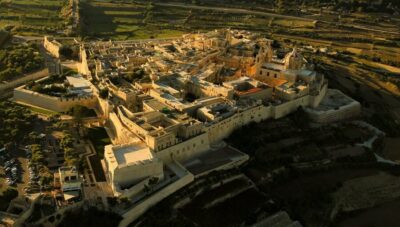
Mdina: Private Historical City Walking Tour with Rabat Town
Read our review →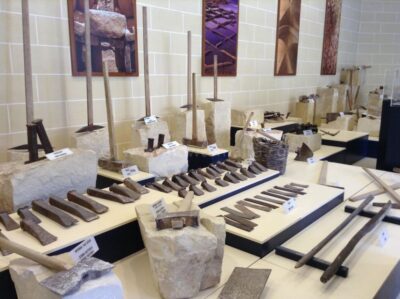
The Limestone Heritage Park and Gardens (Entry Ticket)
Read our review →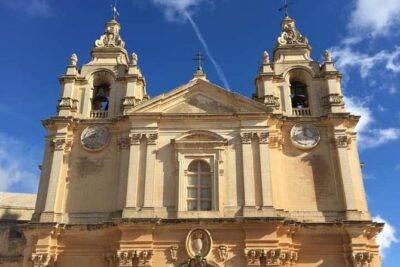
Browse the lists this tour appears in