
Reviewed · PREHISTORIC TEMPLES
Prehistoric Temples of Malta Tour
What makes this experience so compelling is how quickly it drags you back into prehistory, to around 3150 BC stone temples. You’ll pair that big, dramatic megalithic setting with a trip to UNESCO-listed sites and a cave-and-museum stop that explains what life looked like before the classical world.
I love the way the guide turns the visible details into a story you can follow, from the temple stone to the carved forms. I also like the practical value baked in, including entrance fees included for the cave museum and both temple sites.
One possible drawback: expect real walking, uneven ground, and some stairs. Do not show up in shoes without grip, and be ready for an uphill feel between the temple areas, so comfortable shoes matter.
Key Points To Know Before You Go
- Hagar Qim and Mnajdra are the two headline temple visits, with Mnajdra often described as the best surviving example of Maltese megalithic design
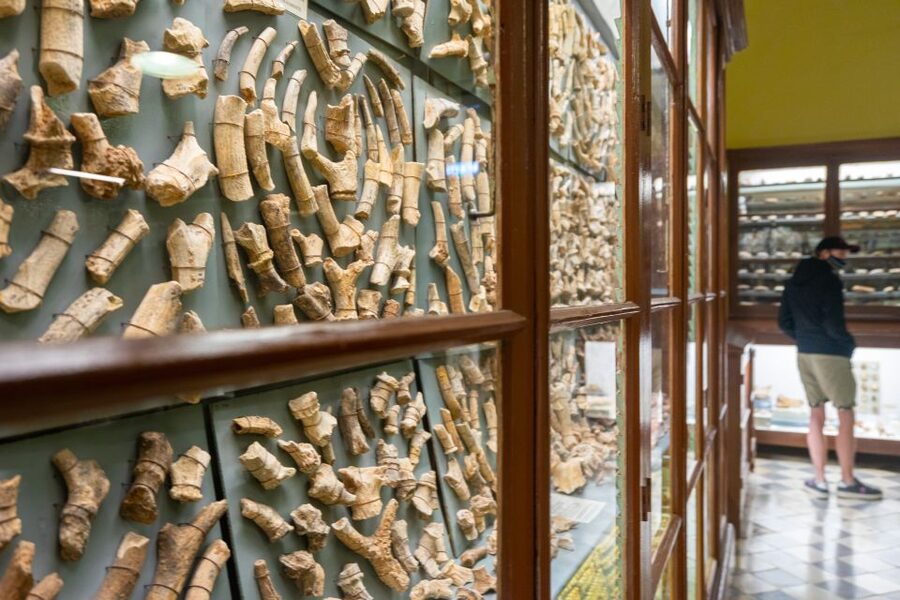
- Ghar Dalam Cave and Museum adds the science side, with prehistoric bones and fossils that help you picture daily life
- Hamrija Tower is nearby and worth noticing, built by Grand Master Martin de Redin as one of Malta’s 13 watchtowers
- Your tour is about 4.5 hours, but pickup times and driving can shape how the morning feels
- The day works best if you’re okay with stony paths and stairs, even though the pace is guided
- You’ll hear explanations in English, German, Italian, or French, depending on the guide for your group
Prehistory on a Ridgeline: What You’ll Actually See at Hagar Qim and Mnajdra
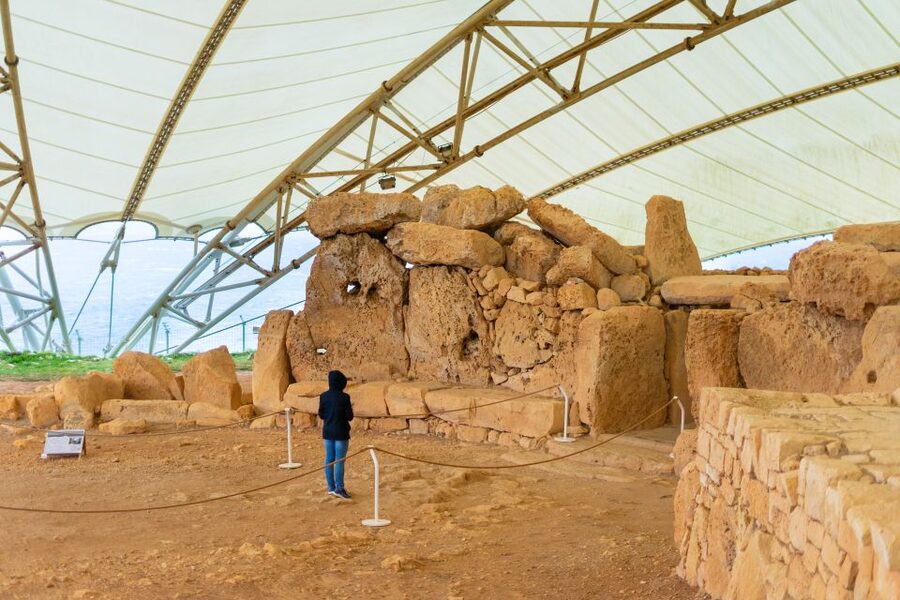
Malta’s prehistoric temples are not just old rocks. They’re engineered places built to last, using locally sourced stone and a layout that still reads like a plan. This tour focuses on two standout temple complexes, Hagar Qim and Mnajdra, both part of the larger UNESCO World Heritage Megalithic Temples of Malta.
Here’s the key thing you should carry with you as you walk in. The temples date back roughly 5,500 years, which means you’re looking at some of the oldest free-standing stone structures anywhere. On site, that age shows up in the materials and the craftsmanship. You’ll hear how the temples were built from soft globigerina limestone, which is one reason the carvings and surfaces can look both detailed and weathered.
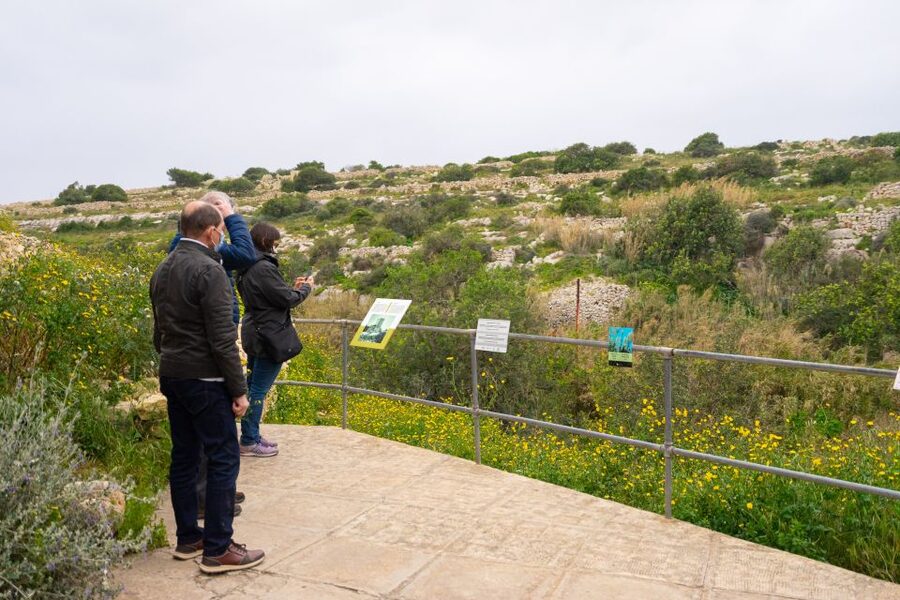
You’ll also notice the setting. The area around the temples is described as Mediterranean garrigue, low scrub and dry-stone character rather than lush gardens. That backdrop makes the temples feel even more stark and human-sized, not like a theme park. And because the temples sit on a ridge, you get that natural Mediterranean sense of exposure, with sea views that help explain why so many civilizations liked this stretch of coast.
There’s a bonus historical thread too. Near the temple area, the tour includes time to admire Hamrija Tower, one of the island’s 13 watchtowers, built by Grand Master Martin de Redin. It’s not prehistoric, but it adds a useful link in time: you move from Neolithic stone builders to later Knights of Malta who also cared about sightlines and signaling.
Other temple visits:
- From Malta: Gozo Day Trip Including Ggantija Temples
★ 4.2 · 2,399 reviews - From Malta: Gozo Full-Day Tour with Guide, Temples, & Train
★ 4.1 · 567 reviews - Malta: Prehistoric Temples and Highlights of the South
★ 4.3 · 254 reviews
Pickup and Timing: How the 4.5-Hour Format Fits Real Malta Mornings
This tour is built as a half-day, listed at 4.5 hours. That’s exactly what you want if you’re staying in Malta for a short trip or you want to see prehistoric Malta without losing the whole day.
Pickup is included, and the start times are early. Depending on where you’re picked up, you might start around:
- Cirkewwa 08:30
- Attard 08:30
- Valletta 08:40
- Mellieha 08:40
- St. Julian’s 09:10
- Plus additional stops at places like Sliema, Bugibba, Qawra, and more.
A practical tip: these morning starts can feel like they’re eating up your vacation energy, but the payoff is you avoid the worst heat and you’re already positioned for the sites on the southern side of the island.
Also, plan for some waiting and road variability. One review mentioned a wait for another bus to join, and another noted traffic can affect how things feel. That’s normal in Malta. The good news is the tour is designed with multiple stops, so even if you lose a few minutes here and there, you still get the core hits.
Hagar Qim: Fragile Megaliths, Soft Limestone, and the Feeling of Scale
Hagar Qim is the first big temple stop and it’s the one that can hit you hardest if you like early architecture. The location is on a ridge capped in soft globigerina limestone on the southern edge of Malta.
What you should look for at Hagar Qim:
- The way the stonework is carved and arranged. Even when erosion has done its work, you can still see the effort behind doorways and openings.
- The way the temple layout feels purposeful, not random. Megalithic design is often hard to “see” from a distance, but the guide helps you connect the forms to function.
- The setting itself. You’re walking through low scrub Mediterranean terrain, then suddenly in front of massive stone blocks that shouldn’t feel small, but do when you stand close.
The tour is paced, and reviews generally praise the amount of time at both temple locations. Still, consider this: the site involves uneven stone surfaces and some uphill movement between areas. If you’re traveling with mobility needs, you’ll want to wear grippy shoes and be ready to follow the guide’s cues on where the steps are and what walking routes look like.
If you’re the type who likes understanding how sites were found and interpreted, you’re likely to enjoy this stop the most. Several guides are described as archaeologist types, including Mark and Marco in different groups, and that tends to translate into explanations that make you look longer and notice more.
Mnajdra Plus Hamrija Tower: The Best Surviving Meagaliths and a Sea View Break
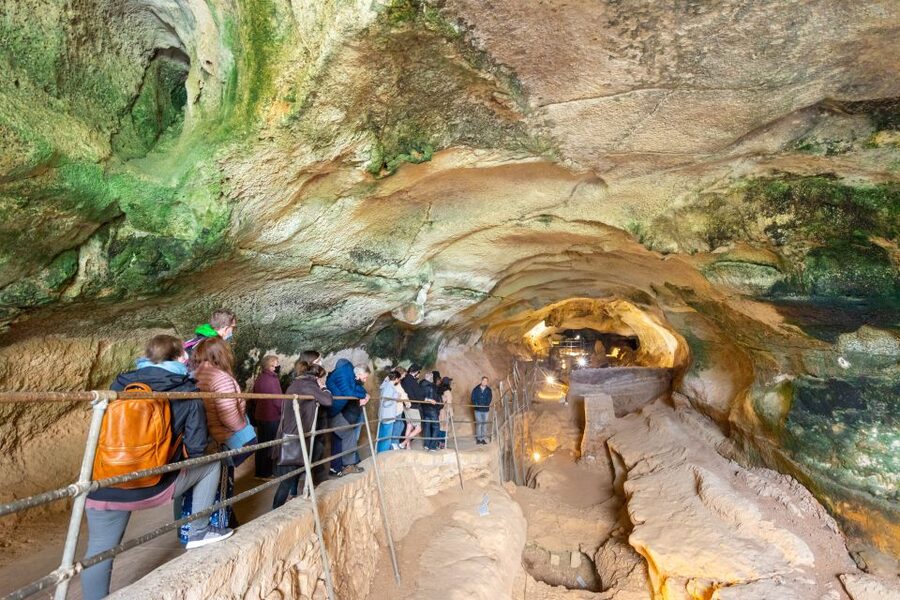
After Hagar Qim, you’ll move to Mnajdra, usually considered the best example of Maltese megalithic architecture still standing. This is where the tour often feels like it shifts from “wow, old stones” to “okay, I get the design logic.”
Mnajdra sits close enough to really compare styles and details with Hagar Qim. You’ll see how the temple structures hold up over centuries and how the stone surfaces catch light. That’s why a guide’s comments can matter here. Natural stone veins can look like human markings, and one review mentioned people sometimes misread stone coloration as painted features. A good guide will put you back on track and explain what’s natural versus intentional.
A key added moment is Hamrija Tower. The tower is a short distance from the temple area, a few hundred meters according to the tour description. Even if you don’t spend ages here, it’s a satisfying sightline reminder. These Knights of Malta watchtowers were built by Grand Master Martin de Redin, and you can connect the tower’s role to why coastal Malta mattered for security and communication long after the Neolithic builders had left.
You may also get memorable coastal views from this part of the day. One review highlighted views toward Filfla and the south Mediterranean Sea. Even if views aren’t your main interest, having that visual reward after stonework helps keep the morning feeling complete.
Same islands, a different way to spend the day:
- Malta: Gozo & Comino Islands, Blue Lagoon & Seacaves Tour
★ 4.5 · 15,672 reviews - Comino: Blue Lagoon, Crystal Lagoon, and Seacaves Tour
★ 4.6 · 5,673 reviews - Malta: Gozo, Comino, Blue & Crystal Lagoon, & Caves Cruise
★ 4.6 · 5,092 reviews - Malta: Comino, Blue Lagoon, Crystal Lagoon & Caves Cruise
★ 4.7 · 2,882 reviews
Ghar Dalam Cave and Museum: Prehistoric Bones, Small Cave Reality, and a Museum Stop That Matters
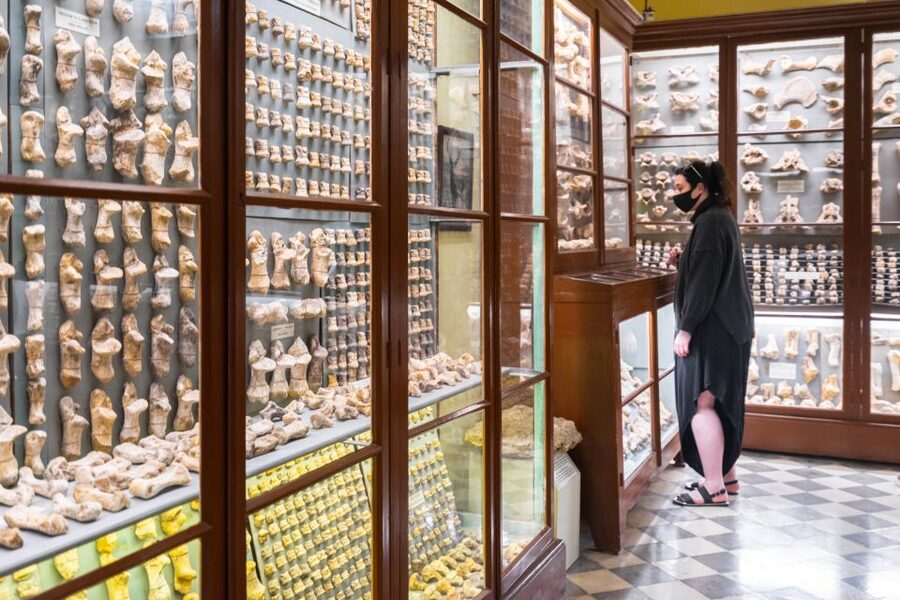
The final stop is Ghar Dalam Cave & Museum, where the focus shifts from standing temples to what archaeologists found and preserved.
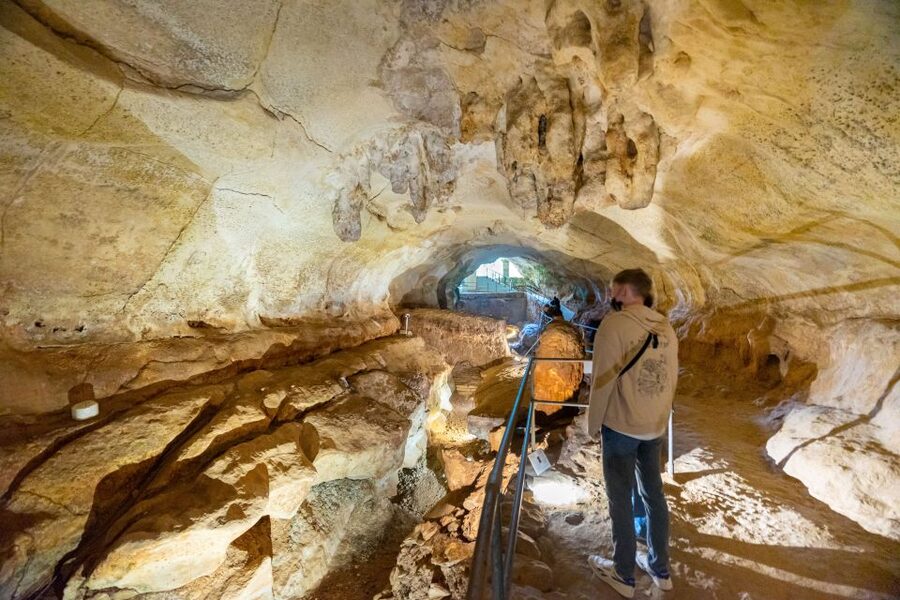
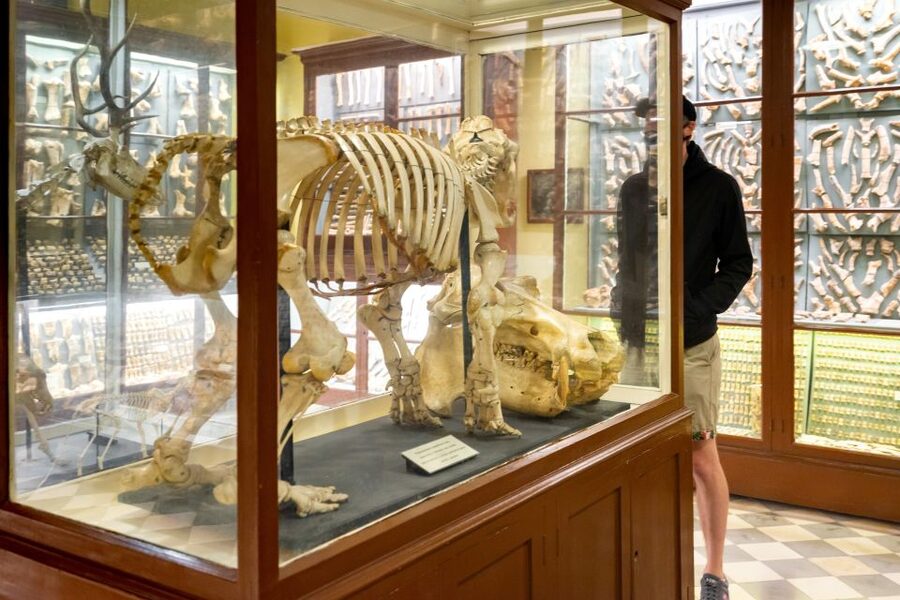
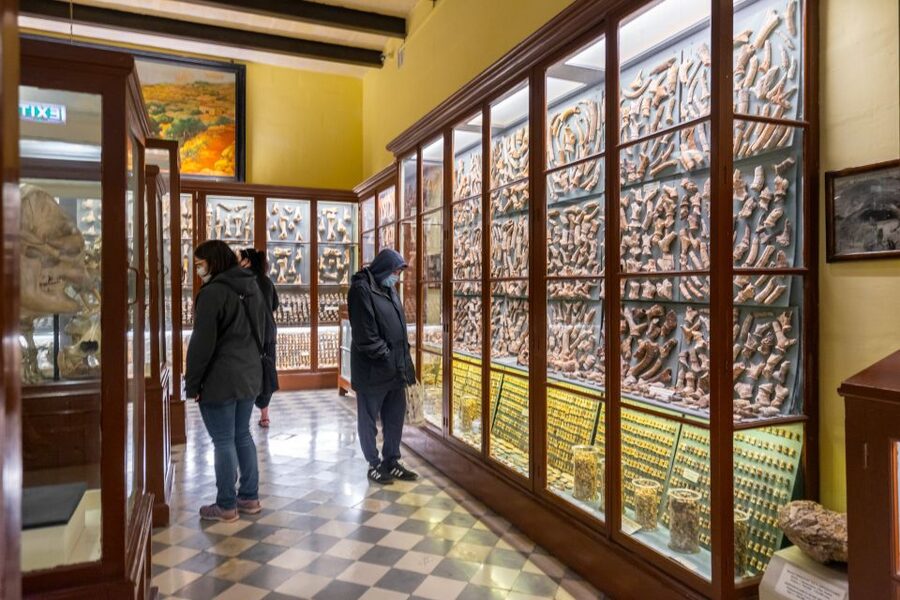
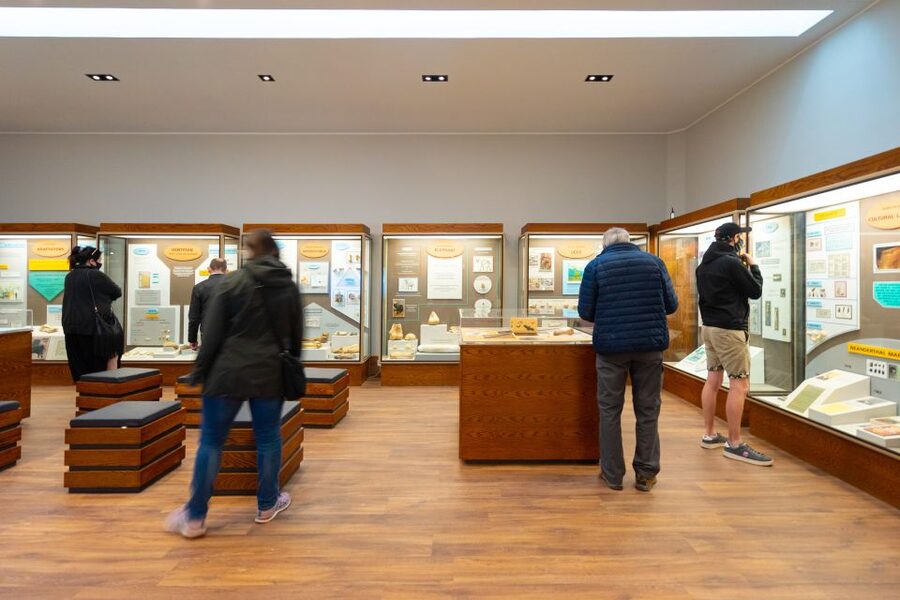
A helpful way to set expectations: the cave itself can feel more modest than you might picture from movies. At least one review noted the cave is small and didn’t include dramatic stalactites, stalagmites, or lakes. The real star is the museum, where you’ll see the bone and fossil record connected to prehistoric animals and human-era life in Malta.
What makes this stop valuable is that it gives you context for the temples. You’re not just looking at stone architecture. You’re seeing evidence for the species that lived there, and that helps you mentally place the builders into an ecosystem.
You’ll likely appreciate the museum if you’re a “show me the evidence” person. One review singled out the collection of bones and skeletons of prehistoric species in the museum, which is exactly what turns the story from vague to specific.
Practical comforts: there’s a gift shop and toilets on site, according to a review, which is useful when you’re doing a tight half-day schedule. If you want souvenirs, you’ll have a chance without rushing.
And here’s a fun bonus possibility from the reviews: on the route, people reported spotting wildlife like a chameleon in its natural environment. You can’t count on it, but Malta’s outdoor areas do reward attentive eyes.
Guides, Drivers, and the One Big Variable That Changes Everything
At a tour like this, the biggest difference is the guide. The good news is the guide lineup for this tour has strong archaeology credibility in the feedback, not just generic storytelling.
Names that came up in the reviews include:
- Mark, described as extremely knowledgeable and clear in explanations
- Marco, mentioned as an archaeologist type and praised for keeping groups organized
- Mario, often described as enthusiastic, helpful, and focused on the temples
- Marlon, described as a retired archaeologist and lecturer
- Maria, praised in one review for being engaging and clear
Language is another variable. The tour offers live guiding in English, German, Italian, and French, and one review specifically praised Mark for explaining things in multiple languages for different parts of the group. That’s a big deal if your group includes more than one language, because it keeps you from losing the thread.
Now, a balanced reality check. One review said a guide’s English was not strong and the person found it repetitive and annoying. So yes, there can be variation by guide and group. Still, the tour’s multilingual option is built in, so you can usually choose a departure that fits your language needs.
Transportation is generally described as comfortable, with an air-conditioned bus mentioned in a review. You may also notice the way local transport is run. One review called a coach driver a bit scary, and another mentioned a return journey on a dilapidated bus. That doesn’t necessarily mean it’s always like that, but it’s worth acknowledging that vehicle quality can vary.
What This Costs, and Whether $59 Is a Good Deal for Your Style of Travel
At $59 per person, the value comes down to what you hate most: planning, driving, ticketing, or losing time.
This tour includes:
- Transportation
- Guide
- Hotel pickup and drop-off
- Entrance fees for Ghar Dalam Cave & Museum, Hagar Qim, and Mnajdra
If you’re trying to fit Malta into a limited schedule, that package approach is smart. The sites are not next door to each other, and the pickup structure means you don’t have to figure out logistics early in your trip.
Still, one review called it rather pricey for what it was. That makes sense if you’re the kind of traveler who enjoys self-guided exploring and you don’t care about the guide’s interpretation. For those people, you might look at arranging your own transport and skipping the guided component.
My advice: judge the price based on your priorities. If you want a guided explanation that helps you understand how megaliths relate to prehistory and what archaeologists found at Ghar Dalam, this price is often easier to justify. If you only want photos and don’t care about the story, the value will feel thinner.
Also plan for practical stuff that can affect your comfort. Bring water, because it can get hot. Bring layers if you’re sensitive to morning chill. And yes, expect walking. One review suggested you’ll likely hit 10,000 steps and more.
Who Should Book This Prehistoric Temples Tour (and Who Might Want a Different Plan)
Book this tour if:
- You’re a first-time visitor who wants the most important prehistoric hits in half a day
- You like guided context, especially for sites that can feel confusing if you only read signs
- You want both architecture and archaeology evidence, thanks to Hagar Qim, Mnajdra, and Ghar Dalam museum
Consider a different plan if:
- Walking on uneven paths, plus stairs and uphill stretches, is not realistic for you right now
- You strongly prefer free time over a structured morning
There’s also a good sign in the reviews for mixed groups. One review mentioned that a guide explained physical demands and options for participants who might struggle with stairs or longer walking. So if you have mobility concerns, this isn’t automatically a deal-breaker, but you should go in prepared to follow your guide’s guidance.
Should You Book?
If your goal is to see Hagar Qim, Mnajdra, and Ghar Dalam in one efficient morning, I think this tour is a solid choice. You get transport, entrance fees, and a guide who can help you understand why these places still matter.
I’d book it if you enjoy stopping just long enough to look closely, then moving on with better context than you would get from a quick self-guided visit. I’d hesitate only if you know you want minimal walking or you hate the idea of a fixed schedule.
If you do book, pack grippy shoes, bring water, and go into it ready to slow down for the stonework and the museum evidence. That’s where the morning becomes more than a checklist.
FAQ
How long is the Prehistoric Temples of Malta Tour?
The tour is listed at 4.5 hours.
Where is pickup available and what time does the tour start?
Hotel pickup is included, with start times listed for several locations, including Cirkewwa (08:30), Mellieha (08:40), Valletta (08:40), Attard (08:30), and others.
Which sites are included in the tour?
The tour includes visits to Hagar Qim Temples, Mnajdra Temples, and Ghar Dalam Cave & Museum.
What is the tour price?
The price is $59 per person.
What languages are the live guides available in?
The live tour guide is available in English, German, Italian, and French.
What should I bring and how do cancellations work?
Bring comfortable shoes. The tour also lists free cancellation up to 24 hours in advance for a full refund.
Added recently in Malta
- Reggae Sunset Cruise in Malta★ 4.5 · 3 reviews
- Valletta City of Gentlemen guided walking tour★ 3.5 · 3 reviews
- Sensory Coffee Master Class: A Unique Island Experience★ 5.0 · 4 reviews
- Truffle Making Master Class★ 4.5 · 5 reviews
- Valletta’s Hidden Minds: Self-Guided Psychological Puzzle Walk★ 4.0 · 6 reviews
- Victoria Lines Tour★ 5.0 · 8 reviews
- Valletta: Private Massage from a world renowned masseuse★ 4.6 · 9 reviews
- Private Walking Tour of Vittoriosa /3 Cities★ 5.0 · 9 reviews
Prehistoric Temples, compared.


Gozo Full-Day Tour with Guide, Temples, & Train
Read our review →
Prehistoric Temples, Limestone Heritage & Blue Grotto
Read our review →
Gozo Guided Day Trip Incl. Ggantija Temples and Lunch
Read our review →
Gozo Full Day visiting Ggantija Temples, Salt Pans & Dwejra
Read our review →
Gozo Full Day visiting Ggantija Temples, Salt Pans, Dwejra
Read our review →
Discovering Gozo Full Day incl. Guide, Train & Ggantija Temples
Read our review →Browse the lists this tour appears in