
Reviewed · PREHISTORIC TEMPLES
Malta Prehistoric Temples Tour
This is one of those Malta trips that flips time on you. In a few hours, you move from a cave with some of the island’s earliest human traces to UNESCO-listed megalithic temples built long before the pyramids and Stonehenge. If you like big ideas and ancient places that still look imposing today, this one has serious pull. I particularly love the Ghar Dalam Cave stop for its layered archaeology, and I also like that the tour includes UNESCO temples with real context instead of a drive-by.
The itinerary also makes practical sense: short drives, set visits, and entrance fees handled up front, so you are not hunting ticket booths while the day slips away. My main caution is simple: the clock is tight. Some people feel rushed at each site, and a few notes mention timing and pickup confusion. If you want slow wandering and long photo breaks, build in extra buffer on your day.
Key Things to Know Before You Go
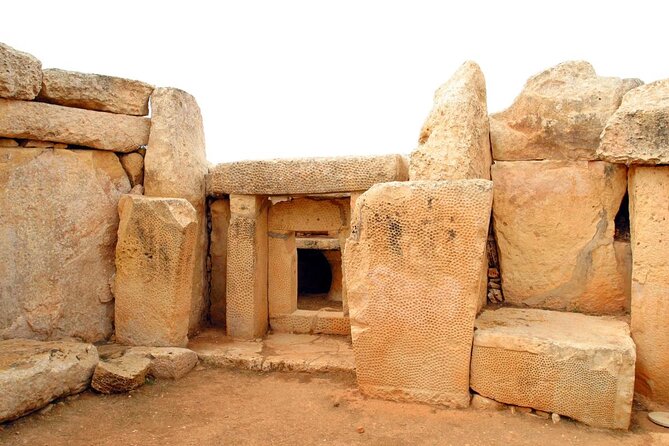
- Three focused stops in one morning: Ghar Dalam Cave, Hagar Qim, and Mnajdra.
- Entrance fees are included, so the advertised price covers the key sites.
- A real archaeological story, with cave layers and early animal and human evidence.
- Temples on a hill with sky-sight lines, including Mnajdra’s seasonal alignments.
- Small-group feel up to 40 people, though a full bus can still mean crowding for photos.
Why Prehistoric Malta Feels Like a Time Machine
Malta’s prehistoric sites are not just old rocks. They are old decisions. At Ghar Dalam, you see how people and animals left traces, then how scientists read those layers over and over. At Hagar Qim and Mnajdra, you walk in places shaped by community beliefs and careful planning, including stone alignments linked to the year’s key solar moments.
What I like most about this tour is that it gives you the “why.” You do not just look at stones. You learn what researchers found, what the temples are thought to represent, and how the setting matters.
One more plus: you are not starting from scratch. Pickup around north Malta and the Valletta area means fewer logistics headaches, and you get dropped back where you started.
Other temple visits:
- Gozo Full Day visiting Ggantija Temples, Salt Pans, Dwejra
★ 3.0 · 53 reviews - Discovering Gozo Full Day incl. Guide, Train & Ggantija Temples
★ 3.0 · 45 reviews - Southern Malta: Blue Grotto, Hagar Qim, and Marsaxlokk Tour
★ 4.7 · 35 reviews
Price and Value: What You Actually Get for $59.91
At $59.91 per person for a 4 to 5 hour half-day, the value comes from what is bundled. You are paying for:
- Round-trip pickup and drop-off at select areas
- Live commentary during the trip
- Tickets for Ghar Dalam, Hagar Qim, and Mnajdra
That matters because UNESCO-area sites often come with separate fees. Here, you avoid the “add-on surprise” feeling. The one thing not included is food and drinks, so treat the tour like a morning activity you top up before or after.
Also, timing helps. The tour is available every Saturday and typically booked about a month in advance, so if your dates include a Saturday, it is smart to plan early.
Pickup Around Mellieha and Beyond: Where Your Morning Starts
The tour starts at 8:30 am, and pickup times vary by area. You might get picked up around:
- Cirkewwa at 8:30
- Mellieha at 8:40
- Xemxija at 8:50
- Golden Bay at 8:50
- St. Paul’s Bay at 9:00
- Bugibba at 9:05
- Qawra at 9:10
- St. Julian’s at 9:10
- Sliema at 8:55
- Valletta at 8:40
- Attard at 8:30
You can also use a mobile ticket, which is handy, and the tour notes it is near public transportation.
Here is my practical advice: line up at your pickup point a few minutes early. Some negative feedback highlights late or missing pickup issues, including one complaint about a bus not showing and no contact number listed. You cannot control every company hiccup, but you can protect yourself by keeping your confirmation handy on your phone and watching for app messages.
Stop 1: Ghar Dalam Cave and Museum, 7,400 Years Under the Rock
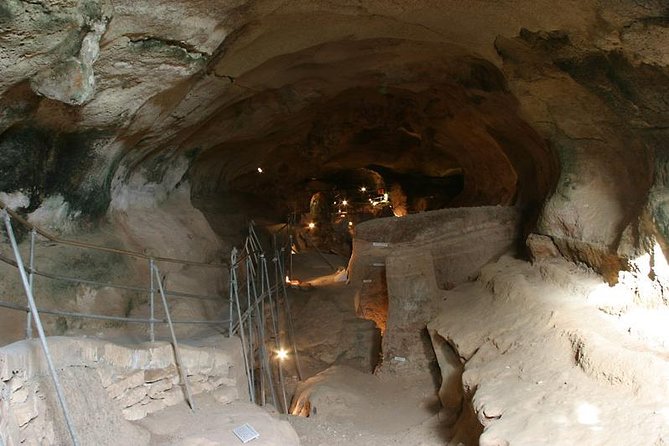
Ghar Dalam is the kind of stop that makes you quietly re-think the word ancient. You will visit the cave and museum for about 1 hour, and admission is included.
This cave is famous for traces of human activity dating back roughly 7,400 years. The big story is how archaeology works: researchers excavate layer after layer, so you can see how evidence accumulates across time. The tour also highlights animal bones as the earliest evidence of humans found on the island, which is a powerful reminder that early settlement is not just about stone tools. It is about daily life, food, and the animal world around people.
After the cave, you also have time to look at a nearby garden planted with indigenous species and trees. That is not just decoration. It gives you a sense of how local plant life fits Malta’s landscape, especially if the temple sites are all you have been picturing.
The drawback to plan for: the cave experience is time-boxed. If you want to linger in the museum area, you will need a bit of self-control and choose what to read first. One review also mentioned that there is no toilet onboard the bus, so if restroom timing matters to you, plan your bathroom stop around your site visit time rather than expecting one in transit.
A few more Mellieha options to weigh up
- Mellieha: Popeye Village Entry Ticket
★ 4.6 · 2,070 reviews - Mellieha: Popeye Village Malta Filmset Entry Ticket
★ 4.6 · 1,802 reviews - Comino & Gozo: Blue & Crystal Lagoons Cruise with Sea Caves
★ 4.8 · 1,536 reviews - Malta National Aquarium Entrance Ticket
★ 4.0 · 643 reviews
Stop 2: Hagar Qim, Megalithic Temples That Still Command Attention
From Ghar Dalam, you head to the hilltop temple complex area. Hagar Qim is your next stop, again with about 1 hour on site and ticket included.
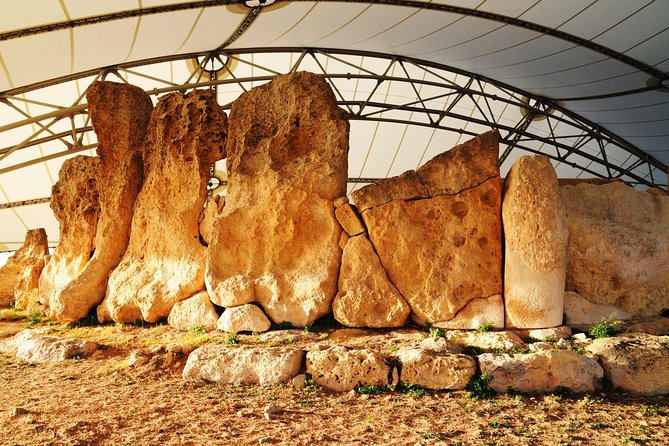
Hagar Qim is a megalithic temple complex, and the tour frames it as part of the earliest religious sites on earth. That framing is not marketing fluff. When you look at the scale and the construction, it is hard not to feel the intent. These were communal spaces, built to last and to mean something to people over generations.
You will walk the site and learn how it fits into Malta’s larger prehistoric temple tradition. Expect stone architecture that feels deliberate even when much of it is not the exact same shape it once was.
What to watch for: Hagar Qim is one stop on a bigger set of ruins. If you go in expecting a fully immersive museum-like experience with lots of quiet space, you may find it a bit practical: you get the core highlights, then you move on. A couple comments also noted the need for slightly more time at stops to avoid feeling rushed.
If you love photography, aim to catch angles before crowds thicken. The later part of your visit can still be great, but the view lines can get busy.
Stop 3: Mnajdra Temples, A Limestone “Calendar” on the Edge of the Sea-Sky
Mnajdra is the third stop, and it is also where the tour leans into the most mind-bending details. You visit the temples for about 1 hour, with entry included.
Mnajdra is close enough to Hagar Qim to pair naturally, but it has a different feel. The tour calls out a limestone temple and notes it aligns with equinoxes and solstices. That is the kind of detail that makes you look at stone differently. You start wondering how people tested the year, tracked the sun, and built a place that “reads” time.
If you are into astronomy or just enjoy the idea of ancient precision, this is a standout moment. Even if you do not know the technical terms, the basic concept lands quickly: the stones are not random. The site is positioned so the year’s turning points connect with how the temple sits in light and shadow.
The hilltop setting also helps. Views across the landscape make the temples feel exposed, like they were meant to be seen as much as they were meant to be entered.
The practical limit: one hour is enough for a good overview, but not enough for slow wandering through every angle. If you want to do a deep photo edit or linger in gift shop areas, you may feel a bit pressed for time.
How the Tour Keeps Moving (and What It Feels Like in Real Life)
This is built as a morning loop. You meet the driver at your hotel or nearest point, then you go from stop to stop with planned time.
Most of the structure is solid:
- Commentary on board during transit
- Short visits at each major site
- Drop-off back at your original departure point
Where people sometimes get frustrated is not the sites. It is the flow. A few notes talk about transfers, confusion when moving between buses, or communication gaps when vehicles wait outside hotels for extended periods. Another issue that pops up is crowding. Even with a cap of 40 people, if the group is full, views can feel tight.
If you want the best experience, do this:
- Keep a quick eye on the schedule and meeting instructions.
- Ask your guide at the first stop how the timing will work at the next one.
- Use your hour wisely. Pick one main photo angle at each site, then explore around it.
Also, a few comments mention that personal headphone-style listening is not part of the setup. The tour offers live commentary, but if you struggle to hear in a bus setting, sit closer to the guide and do not rely on perfect audio from the back.
What to Bring, What to Wear, and How to Avoid Time Traps
You do not need a backpack full of survival gear, but you do need basic comfort.
Wear:
- Comfortable walking shoes. There is walking between temple areas.
- Layers. Malta mornings can be bright and breezy.
Bring:
- Water, especially if you arrive warm. One review mentioned water being offered for purchase.
- A charged phone for tickets and photos.
- Sun protection, since hilltop temple visits can feel exposed.
Plan around food:
No food or drinks are included. If you get hungry, you will likely have to manage it before the tour or after.
Time traps to watch for:
Some people felt the stop durations were short, and others said restroom timing was a trade-off because of limited facilities on the bus. If you are the kind of person who hates missing part of the view for a pit stop, go earlier, hydrate before pickup, and use restrooms during site time.
Guides Matter: When the Story Clicks
This is one of those tours where the guide can make a big difference. The information is there, but delivery matters.
You will likely hear from guides such as Mario, who is described as a former history teacher, Mark, and Miriam, plus Marc appears in other feedback. When the guide is firing on all cylinders, the tour becomes more than stone sightseeing. It turns into a clear narrative, like:
- how scientists excavate the cave and read its layers
- how the temples relate to ritual and seasonal astronomy
One standout theme in positive feedback is pacing. When the guide times breaks well, you get enough time to use the toilet, take photos, and still see the essentials without feeling dragged.
When the pacing is off, it can feel rushed. So if you care about the story, pick Saturday mornings when you can stay flexible and not be fighting another appointment.
Best Fit: Who This Half-Day Tour Suits Best
This tour fits you if:
- You want a fast, efficient way to see Malta’s most important prehistoric temple sites.
- You like science-meets-history moments, especially cave archaeology.
- You enjoy architecture with a reason for existing, like Mnajdra’s seasonal alignments.
- You prefer guided structure over self-driving and ticket line management.
It may be less ideal if:
- You need lots of quiet time to read and linger slowly at each stop.
- You get frustrated by packed schedules, tight visiting windows, or occasional confusion during pickup or transfers.
- You are very sensitive to hearing commentary in a bus group setting and do not want to rely on audio without personal headphones.
Should You Book This Malta Prehistoric Temples Tour?
If your goal is to hit the big hitters in a half-day, this tour is a strong value. The headline reason is practical: you get entrance fees included plus pickup, and the sites are genuinely impressive. Add in the cave stop, and you get more than temples. You get the human and animal evidence that helps explain why these places mattered.
My “yes, book it” rule:
- You are visiting on a Saturday.
- You like guided context, especially around archaeology and astronomy linked to stone.
- You can handle a time-boxed visit and you want to maximize your morning.
My “think twice” rule:
- You need guaranteed calm, extra time, and zero chance of pickup/transfer hiccups. A small number of comments were strongly negative about logistics.
- You know you will be upset if you feel rushed at each site.
If you go in with the right expectations, you end up with exactly what you want from Malta prehistory: a compact route through some of the island’s oldest human evidence and most striking stone architecture.
Added recently in Mellieha
- Private Tour Of Malta (Private Driver)★ 3.5 · 5 reviews
- Malta Shore Excursion: Private Tour of Historic Palaces and Noble Homes★ 4.5 · 5 reviews
- North Malta Quad Bike Tour with Land or Sea Views and Swimming★ 5.0 · 7 reviews
- Full Day to Blue Grotto, Marsaxlokk, Kalanka Bay, Tarxien Temples★ 3.5 · 7 reviews
- Full Day Tour in Gozo (Private Driver)★ 5.0 · 7 reviews
- Malta Shore Excursion: Private tour of Valletta and Mdina★ 4.5 · 8 reviews
- Mosta Crafts Village Mdina and Valletta Full Day Tour★ 3.5 · 8 reviews
- Temples Tour (Pick-up, Transfer, Tickets & Drop-off Included)★ 4.5 · 8 reviews
Prehistoric Temples, compared.


Gozo Full-Day Tour with Guide, Temples, & Train
Read our review →

Prehistoric Temples, Limestone Heritage & Blue Grotto
Read our review →
Gozo Guided Day Trip Incl. Ggantija Temples and Lunch
Read our review →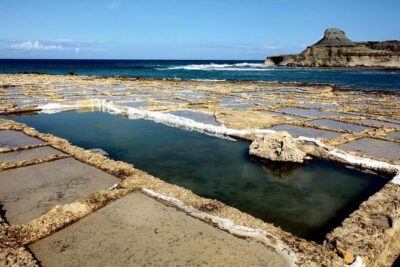
Gozo Full Day visiting Ggantija Temples, Salt Pans & Dwejra
Read our review →Gozo Full Day visiting Ggantija Temples, Salt Pans, Dwejra
Read our review →
Discovering Gozo Full Day incl. Guide, Train & Ggantija Temples
Read our review →Browse the lists this tour appears in