
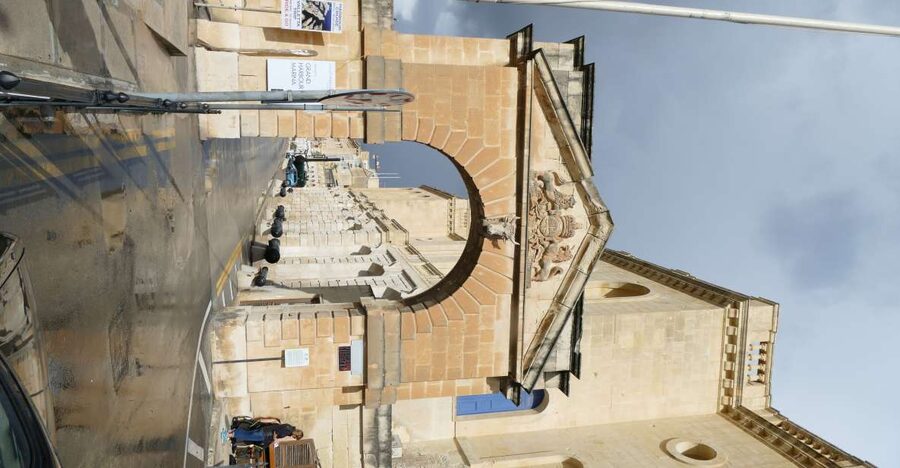
Reviewed · THREE CITIES
Malta Historical Tour: Valletta & The Three Cities
This Malta historical tour is interesting because it stitches together two sides of the island story, starting in Valletta and crossing to the Grand Harbour defenses in the Three Cities, all in one 4-hour run. I like the way this route makes it easy to see major sites without long transfers, especially with classic harbor viewpoints.
I also like the practical “see and walk” approach in Birgu, Cospicua, and Senglea, where the medieval lanes help you understand why these towns mattered. One possible drawback to factor in is that the experience depends on the quality of the on-the-ground narration you get from your English driver, so if you want lots of spoken history, be ready to ask questions and read the signs as you go.
Key highlights worth planning around
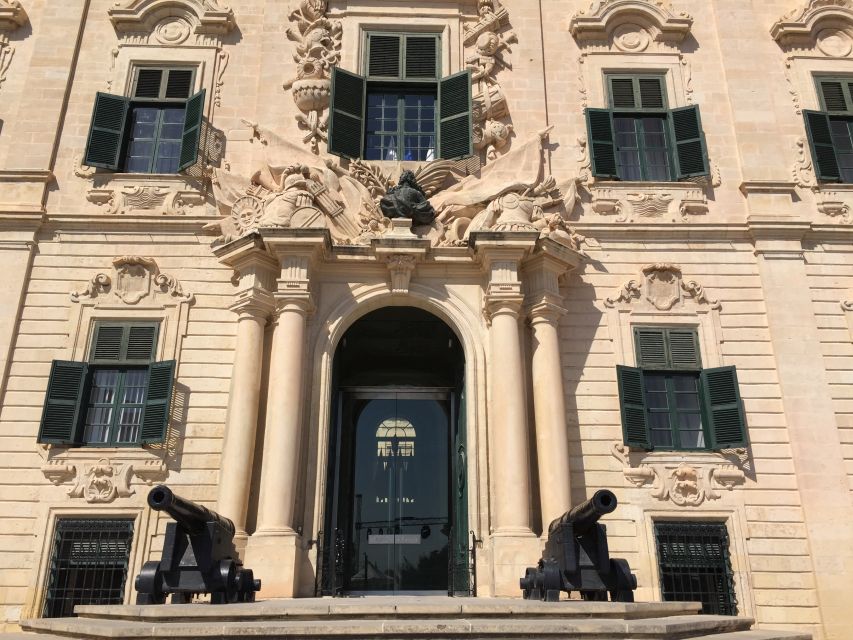
- Upper Barrakka Gardens harbor views that frame Valletta and the working port below.
- Valletta’s fortified Baroque streets, with St John’s Co-Cathedral as a must-see landmark.
- The Three Cities route through Birgu (Vittoriosa), Cospicua, and Senglea for a clear “across the water” story.
- Fort St. Angelo and the Inquisitor’s Palace area that connects the Knights’ era to Malta’s fortifications.
- Il-Gardiola Gardens for a calmer pause after walking the narrow lanes.
- Private group, 2 to 19 people, with hotel pickup and drop-off included, so you are not doing logistics on your own.
Why Valletta and the Three Cities work as one historical loop
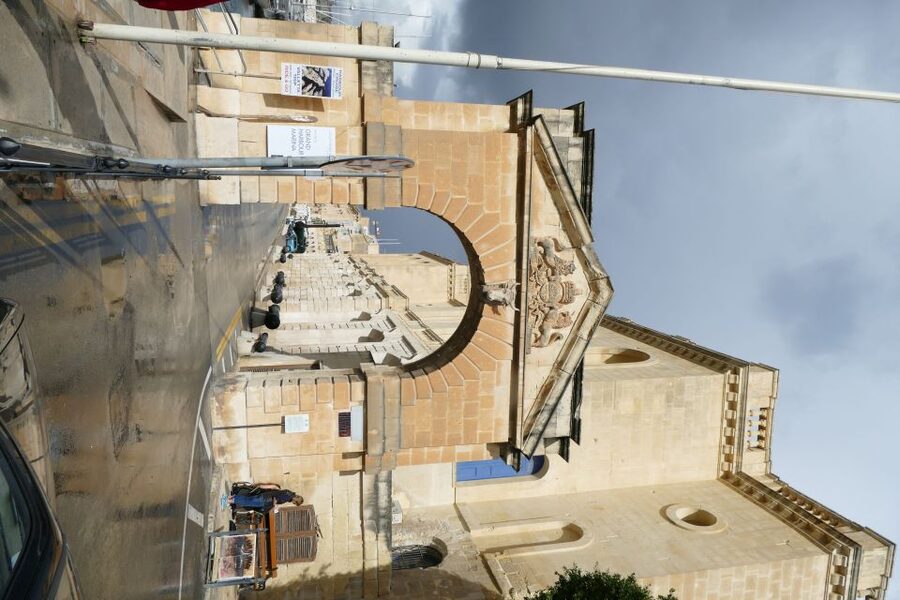
If you only visit Valletta, Malta’s story can feel like it lives in one place. This tour fixes that by pairing Valletta with the harbor towns across the water. You get the sense of how power, trade, and defense all lined up around the Grand Harbour.
Valletta was built in the 1500s on the order of Grand Master Jean Parisot de la Valette, and that planning shows. The city’s fortifications and street layout are not just pretty, they make practical sense. Then you cross to Birgu, Cospicua, and Senglea, where narrow medieval lanes help explain how everyday life coexisted with military control.
More of the Three Cities:
- From Sliema: Valletta and the Three Cities Scenic Cruise
★ 4.3 · 763 reviews
Valletta start: fortified streets, churches, and the St John’s Co-Cathedral area
You kick off in Malta’s capital, Valletta, a fortified Baroque city planned in the 16th century. It is still a functioning urban space, not a museum set. That matters because you are seeing the real texture of the place as you walk between landmarks.
Valletta is described as packed with 25 churches, palaces, and grand town houses, which is a lot to fit into four hours. So I love that the tour does not try to make you conquer everything. Instead, it centers on key points you can actually enjoy and photograph, including St John’s Co-Cathedral.
What I’d do if you want the best first 60 minutes
Arrive ready to walk. Valletta streets can feel dense, and you will appreciate comfortable shoes from the first block. If you care about details at St John’s Co-Cathedral, give yourself a little extra time to look slowly, not just snap a photo and rush on.
A practical caution
This city is described as pedestrianized, so mobility can feel like it speeds up and slows down depending on crowds and tight turns. With only a 4-hour window, you will want to keep moving at a steady pace while still giving yourself a few moments to stop.
Upper Barrakka Gardens: the harbour view that makes the whole tour click
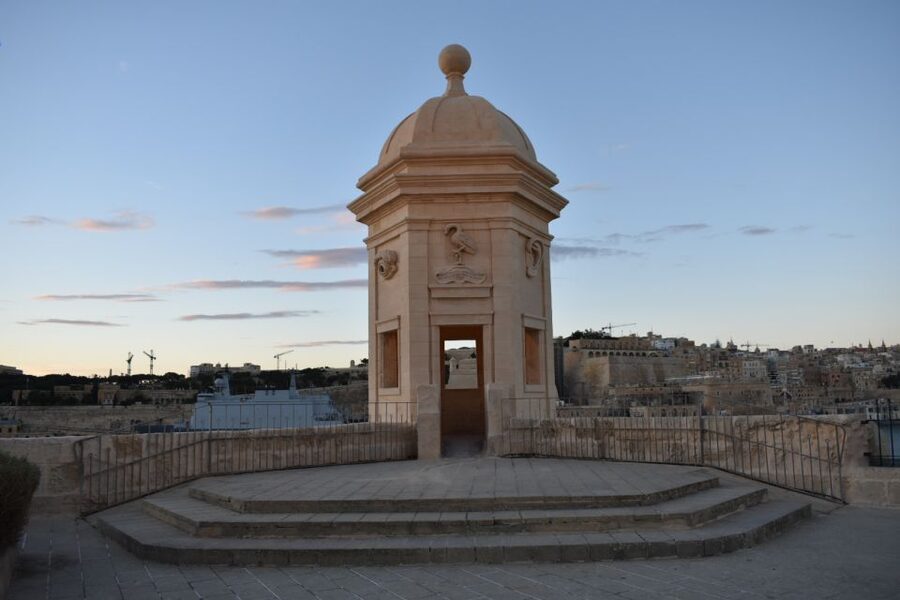
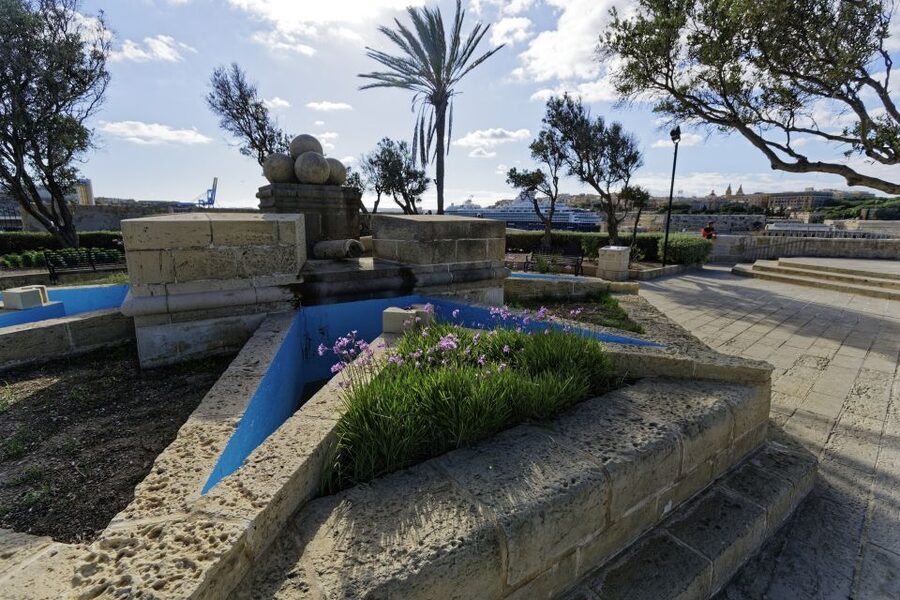
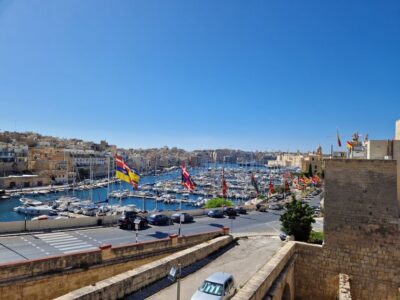
Once you have your bearings in Valletta, the harbor viewpoint is the payoff. Upper Barrakka Gardens is one of those places where the landscape becomes a map. From up high, the Grand Harbour looks organized and purposeful, like someone drew a line between sea routes and military planning.
This is also where you get the big photo moment. Think layers: water in the foreground, buildings and fortifications around the harbor, and Valletta’s old-city edges framing the scene. If you like video, this is the spot where a short clip from a stable position will look better than a rushed walk-by recording.
How to time your photos
Because this tour runs rain or shine, plan your photo strategy for changing conditions. If the sky clears, you can usually get sharper harbor views. If weather turns, you can still shoot silhouettes and dramatic light, just keep your camera protected and your lens clean.
Crossing to the Three Cities: why Birgu, Cospicua, and Senglea feel different
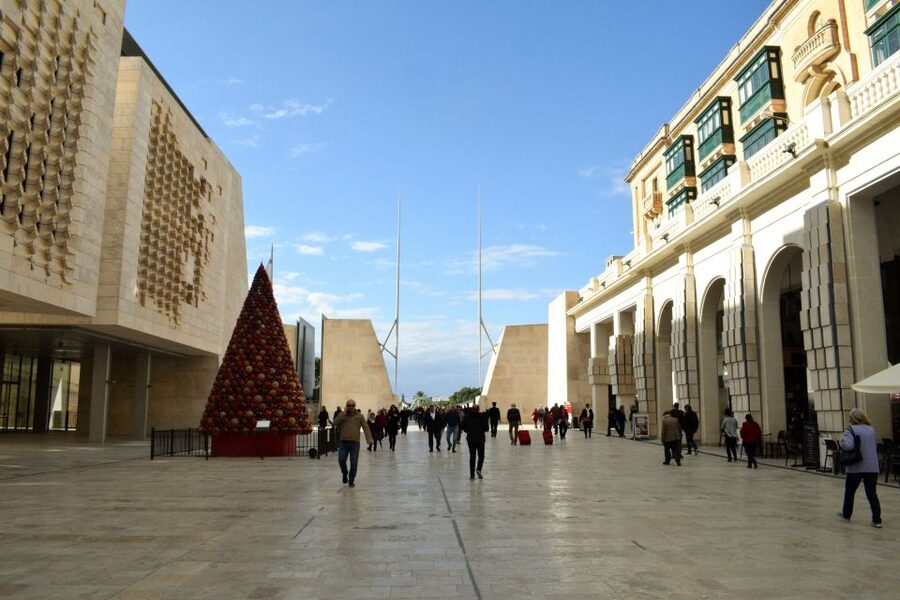
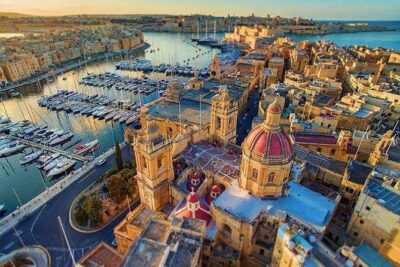
After Valletta, you drive to the other side of the Grand Harbour to visit the ancient Three Cities: Birgu (Vittoriosa), Cospicua, and Senglea (Isla). I like this switch because it changes your walking rhythm fast. The vibe shifts from Valletta’s capital-energy to smaller, tight-feeling streets where history reads at street level.
The key detail here is the narrow medieval streets. That is where you feel the old city logic. Buildings sit close, lanes create corridors, and corners open onto small, surprising views. It is much easier to understand why these places were so defensible when you can physically experience the street geometry.
What each city is doing for the story
You are not just collecting three names. The route helps you see Malta’s defense system as a network around the harbor. Even if you do not go inside every site, the walking between points shows how each town related to the harbor and the fortifications.
Fort St. Angelo: the kind of stop that makes Malta feel military in the best way
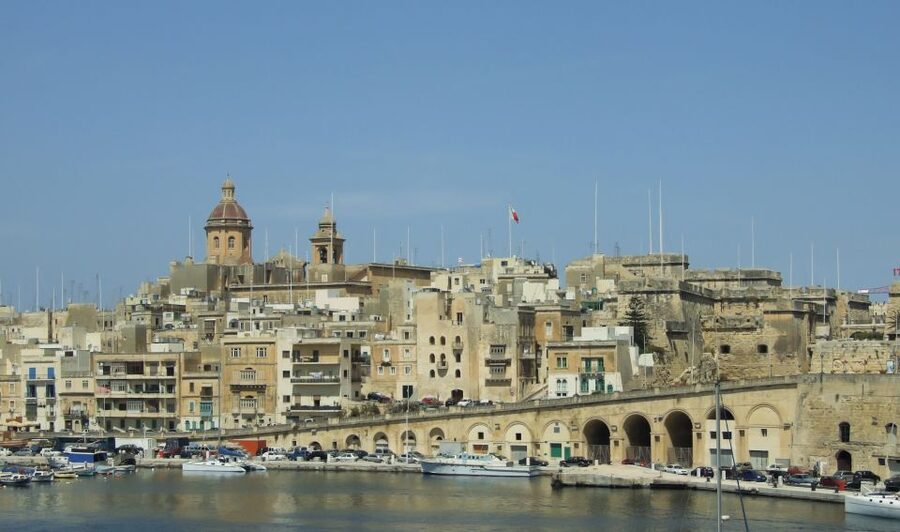
The top attraction list includes Fort St. Angelo, and that matters because fortifications are the language Malta uses when it tells you about the Knights and the constant need to control sea access. Fort St. Angelo is a strong anchor stop because it gives you context for what you are looking at in the harbor.
I recommend treating Fort St. Angelo as a “context” visit, not a checklist. Look for vantage points and edges, because the whole idea is to understand why these structures were built where they are. Even if you only spend a short time on site, the location itself is the lesson.
The practical trade-off
Entrance fees are not included, and the tour highlights Fort St. Angelo as one of the main attractions. That means you might need to decide on the spot how much you want to pay to go inside. If you are trying to stretch the budget, prioritize exterior views first, then decide whether an interior visit is worth it for you.
Inquisitor’s Palace: the power story behind Malta’s stone
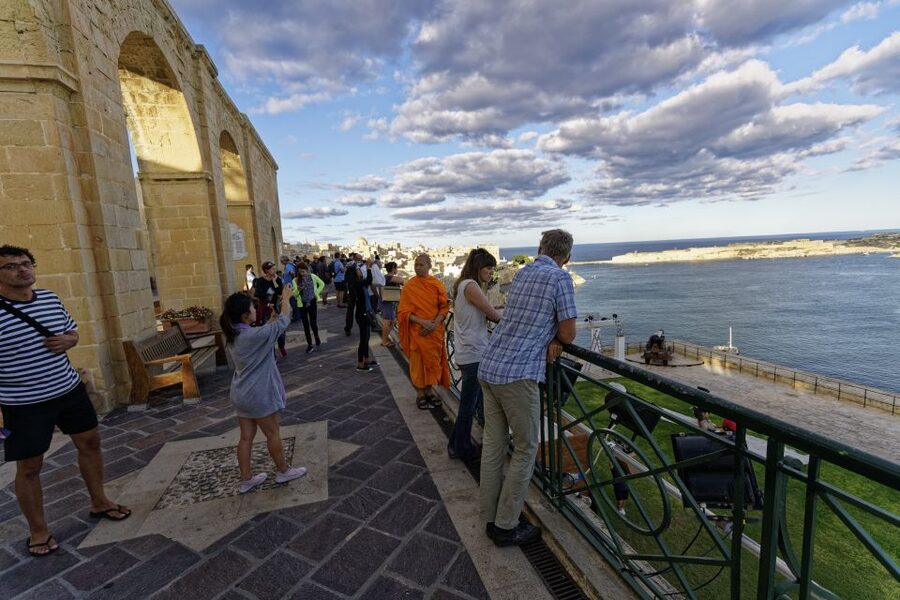
The Inquisitor’s Palace is another headline stop on this route, and it adds a different type of history than fortifications. Forts explain defense. This palace helps you understand governance and control. Together, they cover the “who had the authority” side of the story, not just the “how they protected the harbor” side.
If you like history that connects institutions to architecture, this stop is a good one. It also gives your tour pacing a natural break from walking the tight streets, because palace sites often encourage you to pause, look, and reorient.
Don’t forget the money factor
Again, entrance fees are not included. If a palace interior is a priority for you, I would budget for it before you go. If it is not, you can still get meaning from the setting and exterior area.
Il-Gardiola Gardens: why this last stop can feel like a reset
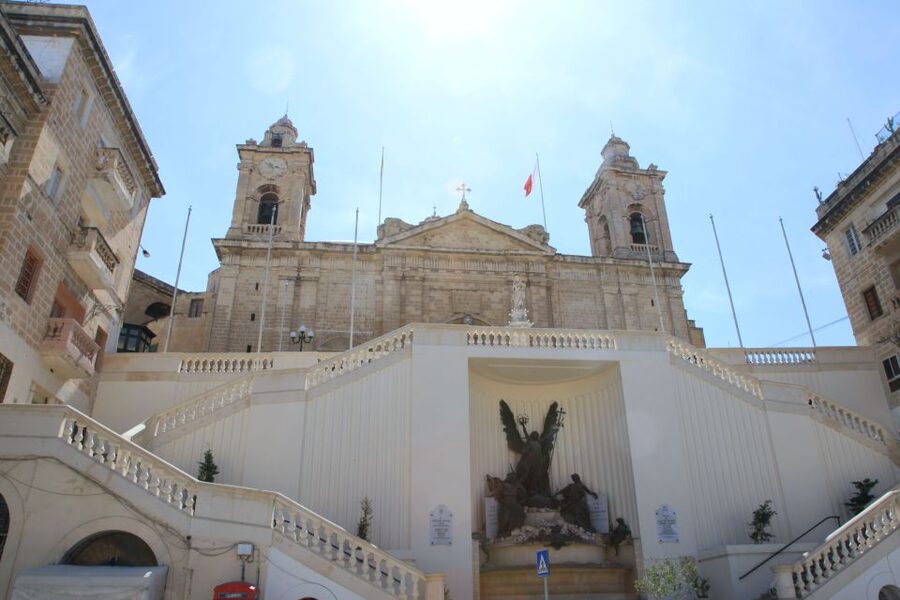
After fortifications and civic power sites, Il-Gardiola Gardens gives you a reset. Gardens are not just filler on tours like this. They create breathing room, especially when you have been walking around tight old-city lanes.
I like this stop because it shifts your camera from stone details to open views and more relaxed angles. It is also a smart timing choice for energy. Four hours goes fast once you add walking time and short photo stops, so a garden pause helps you end the tour feeling human, not rushed.
How 4 hours can feel on Malta, and how to pace yourself
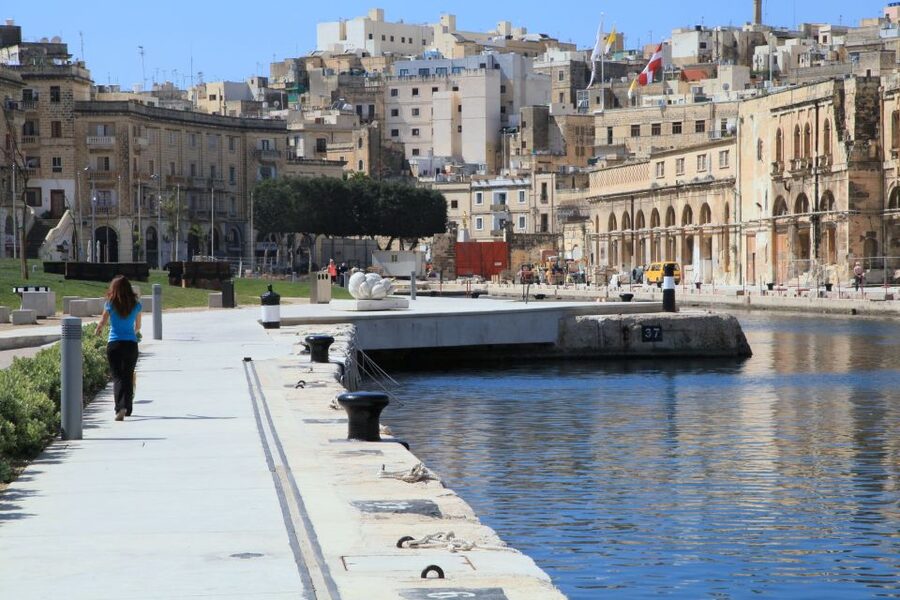
A 4-hour historical tour sounds tidy on paper. On the ground, it usually means a careful balance between driving time, walking time, and the short stops where you actually get to look. Since the tour includes Valletta, the Grand Harbour area, and all three cities, you will spend your time efficiently, but you will also need to keep your feet ready.
Here is how I suggest you pace it:
- Spend your first part of Valletta grabbing a feel for the streets and choosing one anchor site to linger at.
- Use the harbor viewpoint (Upper Barrakka Gardens) as your main “pause and photo” moment.
- In the Three Cities, move with intention. Stop longer at the places that match your interests, like Fort St. Angelo or the Inquisitor’s Palace.
Rain or shine means you should prepare for both
The tour runs rain or shine. That does not mean every walk is equally comfortable. If it rains, you will want a hat for sun breaks and something to protect your camera and phone from splashes. A charged smartphone matters here because you will likely use it for navigation and quick reference photos.
Price and what you get for $148 per group
The price shown is $148 per group up to 4. For a private tour format with pickup and drop-off, that can be good value if you are traveling with a small group who wants a driver to handle the route. You are also paying for the convenience of someone guiding your sequence of stops, so you are not spending time planning “how to connect Valletta to the Three Cities.”
There is also a larger-group angle: the tour is described as catering for 2 to 19 people. That suggests it can work for different party sizes. But the clearest value math is for up to four people, because you can split the cost and keep it simple.
The two costs people often forget
Entrance fees and food and drinks are not included. If you plan to go inside Fort St. Angelo or the Inquisitor’s Palace, entrance fees can be a meaningful add-on. If you want a longer sit-down meal, you may also want to eat before or after the tour.
Pickup, comfort, and the small logistics that make or break the day
The tour includes hotel or location pickup and drop-off. Your driver is holding a sign that says Meet Garage. That’s helpful, because it reduces the guesswork at busy lobbies or street corners.
The driver is English, which is important if you want spoken context while you travel between stops. The tour is also wheelchair accessible, so the route has been set up for that. Still, you should wear comfortable shoes because old streets, steps, and uneven areas can be part of the experience in Valletta and the Three Cities.
What you should bring
Bring comfortable shoes, a camera, a charged smartphone, and a hat. The hat sounds basic, but Malta sun can hit hard, even when the rest of your plans are “just walking.” A camera and charged phone matter because this route is built for photo and video opportunities, especially the harbor viewpoints.
What is not allowed
Alcohol and drugs are not allowed, and no alcoholic drinks are permitted in the vehicle. If you like to bring snacks, stick to water and non-alcohol options, since food is not included.
Who this tour suits best
This tour is a strong fit if you want a structured half-day that connects Malta’s capital and its harbor defenses without getting lost in logistics.
It is especially good for:
- First-timers who want the fastest path to the iconic Valletta and Grand Harbour story.
- People who like photos and want designated viewpoints like Upper Barrakka Gardens.
- Small groups who want the convenience of pickup and a private route.
If you are the type who needs very deep, continuous narration at every stop, you should set expectations early. This tour is run by an English driver, and the experience can rise or fall depending on how much spoken guidance you personally get alongside the sites.
Should you book this Malta Historical Tour?
Book it if you want a tight, efficient 4-hour route that gives you the big Malta connections: Valletta’s fortified planning, the Grand Harbour viewpoint from Upper Barrakka Gardens, and the Three Cities with Fort St. Angelo and the Inquisitor’s Palace area.
I would also book it if you value convenience, because hotel pickup and drop-off are included and you do not have to stitch together buses or taxis between neighborhoods. And if you are traveling with up to four people, the $148 group price is a simple way to make a private tour feel affordable.
Hold off if you mainly want a slow, wander-every-lane kind of day. With limited time, you will be moving and choosing priorities. Also, if your ideal tour is heavy on spoken history at every step, I would go in with a questions mindset, so you can make the day work for you on the spot.
FAQ
How long is the Malta Historical Tour: Valletta & The Three Cities?
The tour duration is 4 hours. Starting times vary, so you’ll need to check availability for the schedule.
Is hotel pickup and drop-off included?
Yes. Pickup and drop-off are included from your hotel or location. The driver holds a sign that says Meet Garage.
Is this a private tour?
Yes. It is presented as a private tour for groups catering from 2 to 19 people.
What language is the driver?
The driver speaks English.
Is food or drinks included?
No. Food and drinks are not included.
Are entrance fees included?
No. Entrance fees are not included.
Will the tour run if it rains?
Yes. The tour takes place rain or shine.
Is the tour wheelchair accessible?
Yes, the tour is wheelchair accessible.
More Historical Tours in Senglea
- Malta: Prehistoric Temples, Limestone Heritage & Blue Grotto
★ 4.2 · 412 reviews - Maltese Islands History Audio-Visual Show and La Sacra Infermeria Tour
★ 4.0 · 344 reviews - Valletta: Self-Guided Historical Walking Tour (Audio Guide)
★ 3.7 · 251 reviews - Wonderful Valletta, gastronomy, art, and history in the Mediterranean
★ 4.5 · 72 reviews
Added recently in Senglea
- From Valletta: Romantic Sunset Cruise on a Sailing Yacht★ 5.0 · 4 reviews
Three Cities, compared.
From Sliema: Valletta and the Three Cities Scenic Cruise
Read our review →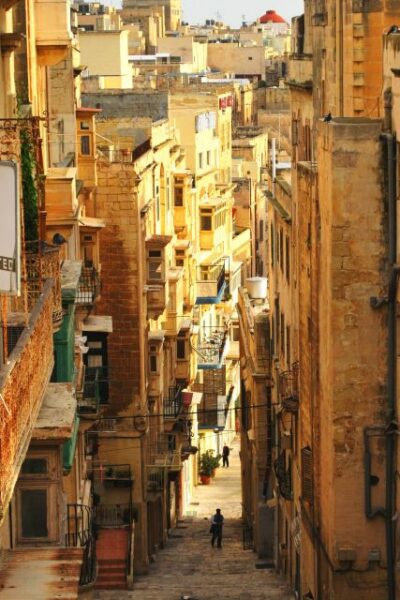

From Cospicua: Senglea, Bormla, and Birgu Walking Tour
Read our review →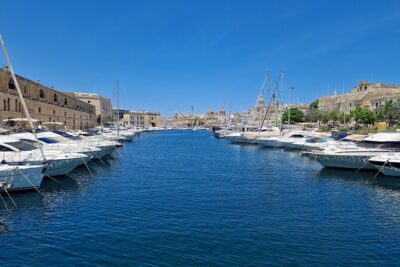
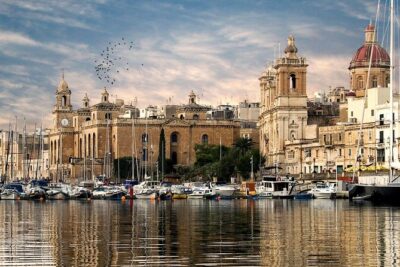
Three Cities guided tour including harbour boat tour
Read our review →Browse the lists this tour appears in