Reviewed · TOURS
The Good Friday Procession: Afternoon Tour in Zejtun
Good Friday in Zejtun feels special because you are watching Malta’s faith and community life turn into a living street show for hours. I like the Reserved seating approach, because it saves you from the stress of trying to elbow your way into the best spot, and you can actually settle in. The other thing I like is seeing the life-size Passion statues move through the town, followed by Old Testament re-enactment costumes that make the stories feel close up.
The only drawback to keep in mind is that the reserved seating is helpful, but the viewing area may not be fully protected. If people stand around you, your view can get blocked at times, especially when crowds surge.
Key Things to Know Before You Go
- Reserved seats help you watch longer without constant repositioning
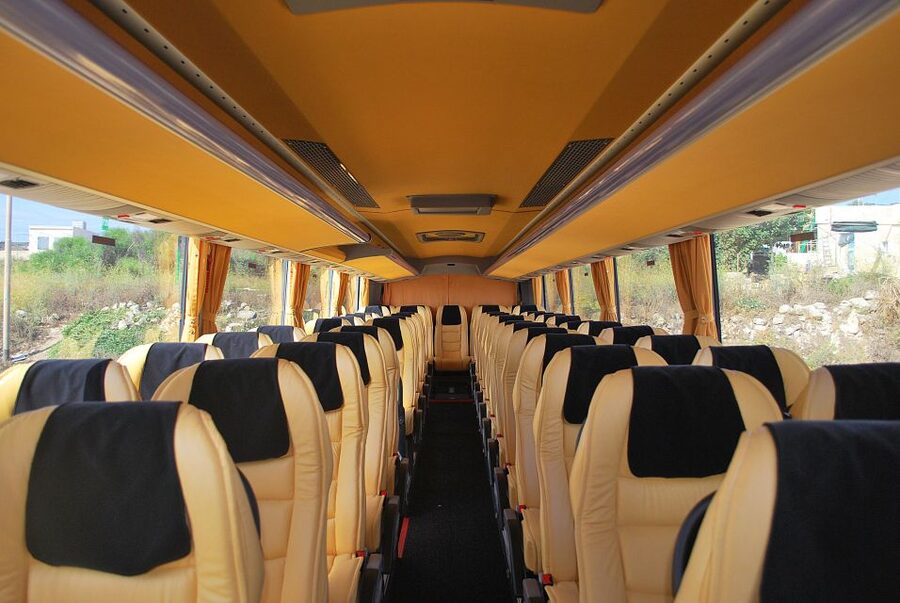
- Air-conditioned coach removes the hardest parts of transport and parking headaches
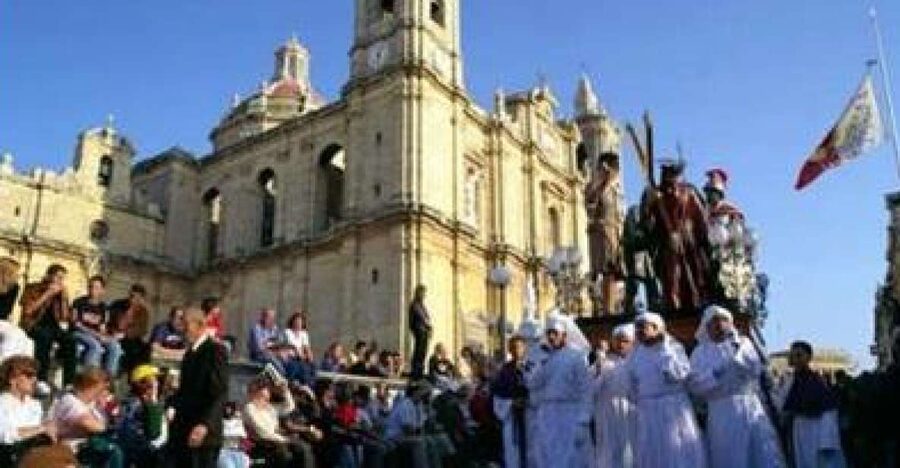
- Life-size Passion statues create a strong visual focus throughout the procession
- Old Testament costumes add story context beyond the Passion scenes
- A live guide helps with orientation and getting everyone to the right spot, like when guides such as Mario keep the small walking group together
- Expect a busy finish, since getting back to the coach can feel a bit chaotic
Why Zejtun Makes Good Friday Feel Like a Real Event
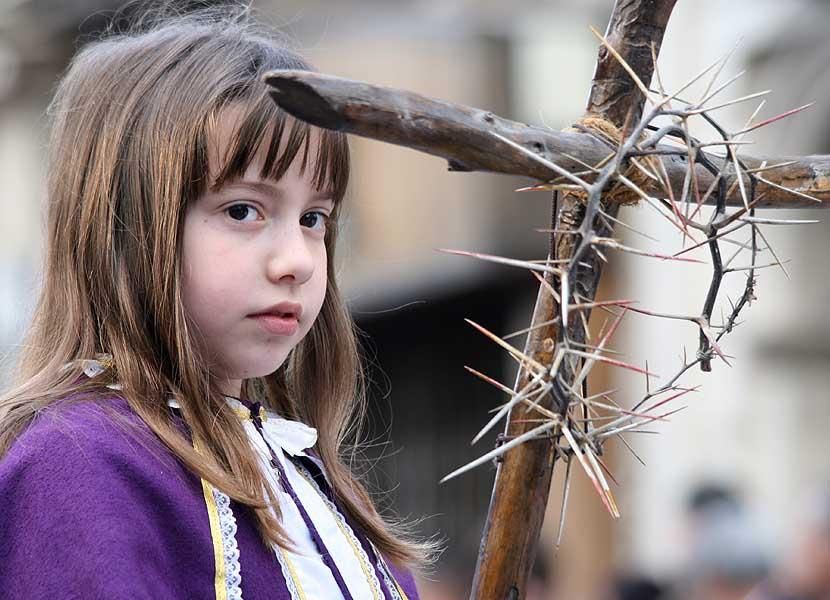
Good Friday in Malta is known in Maltese as Il-Gimgha l-Kbira, the most important Friday of the year. In the afternoons, towns and villages basically become open-air theatres, where suffering, death, and resurrection are acted out in public. You do not just hear about the day, you see it in motion, in costumes, and in the way people gather.
Zejtun is one of the places where the procession atmosphere really lands. The setting matters here. If you pick the wrong spot, you spend the whole afternoon scanning over shoulders. If you get the right viewing setup, you can stay present and follow the flow as the statues and participants move through town.
This is also a day where being organized pays off. It is not hard to understand why. The crowds thicken, streets fill quickly, and parking can turn into a time sink if you are driving yourself.
Getting There Smoothly: The Coach, Pickup Point, and Your Seat
This tour runs for about 5 hours and is designed for an afternoon slot. Pickup is included from your hotel or a nearest point, and you get an email the day before with your confirmed pickup location and time. One detail that matters: if you have hotel pickup, you wait at the main door, not at reception. It is a small instruction, but it prevents the classic scenario of everyone standing around while you assume someone is looking for you.
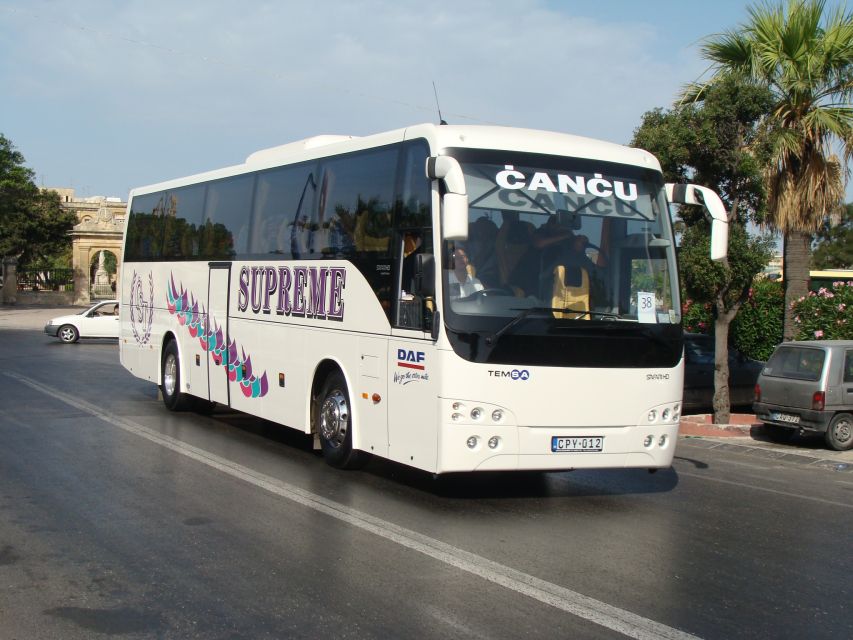
The coach ride is air-conditioned, which is a real comfort factor when you are heading into a dense area and you will be outside for much of the time. You also start the day with a guide in the mix, so you are not left guessing where to go when you arrive.
Now, about the seat. You are assigned a seat at the procession. That is one of the main reasons this tour feels worth it for many people at $33 per person, because the alternative is trying to secure a good position on your own. But here is the honest nuance: even with reserved seating, the area around you may not be fully sheltered from foot traffic. If people line up standing nearby, your view might be partially blocked during the busiest parts.
The Passion Parade Itself: Life-Size Statues and the Power of Scale
The heart of the experience is the procession of life-size statues that depict scenes from the Passion of Christ. This is not a small, symbolic procession. The scale is the point. You can recognize faces, gestures, and movement without having to squint or guess what is happening from far away.
From your seat, you can watch how the parade rhythm builds. The statues come through like scenes cut from a larger drama. And because you are not constantly relocating, you start to notice patterns, like when the crowd attention shifts and when the next group takes center.
There is a reason the statue procession is often described as a must-see for tourists in Malta. It gives you a concrete visual anchor for a story that can otherwise feel distant if you only encounter it through church art or reading at home. Here, it is public, moving, and shared.
This is also a good moment to step back and observe the community side. The day carries a solemn mood. People are there to participate, not just to take photos. If you keep that in mind, your whole viewing experience gets better.
Old Testament Re-Enactments: How the Story Comes Together
After the Passion-focused statue segment, you also see participants dressed in Old Testament costumes who re-enact scenes from the Bible. This part is what turns the procession from a single-scene event into a broader story cycle. Instead of only focusing on the final days, you get moments that connect the narrative across time.
What I like about including the Old Testament re-enactments is that it makes the afternoon easier to understand, even if you are not fluent in the local religious language. You do not need a full commentary script to follow the tone. The costumes and staging give you enough cues to connect what you are seeing with what the day represents.
Still, set your expectations correctly. Even though the tour includes a local guide, the procession itself is primarily a viewing experience from your seat. In other words, you should expect help and context around the event, not necessarily constant, detailed explanations while everything is moving past.
The Live Guide Role: Help Finding Seats, Small Facts, and Local Direction
The tour includes a live tour guide with languages listed as German, English, French, and Italian. In practice, the guide’s value often shows up in the parts that are stressful to handle on your own: meeting the group, moving as a unit, and guiding you to the right viewing area quickly.
One thing I pay attention to with tours like this is how they handle the “where do we go now?” moments. In this case, guides are actively managing the short walk from the coach area to the seating near the church. If you get someone like Mario, you are likely to feel taken care of, not lost, and you will keep the group together even when people are moving fast.
Also, if your goal is to understand every beat of the procession in depth, you should know this is more of an organized viewing setup than a lecture. Some guides offer little local notes along the way, but the main purpose is to reduce logistics stress and get you into a good position.
Timing, Crowd Flow, and the Outdoors Reality
This is an afternoon activity. That sounds simple, but it affects your comfort. You will be outside for a long stretch, and you will be sitting and then shifting your body every time the crowd pressure changes. Comfortable shoes are a must, especially because you may face a short walk and uneven crowd movement as you move between pickup, seating, and the end point.
Plan for the crowd effect. Crowds do not behave like a museum line. They surge. They pause. They change direction. That is why some seating setups can become slightly chaotic around the edges. If you want the best possible view, the best strategy is mental, not technical: stay flexible, accept that you may need a quick posture adjustment, and pay attention when guides reposition people.
Another reality check: the end can feel hectic. When the procession wraps, everyone heads toward the same exit routes and the coach pickup. If you are the type who likes quiet, slow checkouts, you might feel the pace pick up at the end. But that is also the reason the bus transport is useful. You are not forced to solve the “now what?” puzzle in a packed village.
Price and Logistics: Why $33 Is a Fair Deal for Many People
At $33 per person for 5 hours, this tour competes well if you value three things: transport, assigned seating, and someone to herd you through the busy bits.
If you travel independently, you can technically attempt the same thing on your own. You might use public transport or drive and park nearby. But once Zejtun fills up, your “free” plan often turns into a time-and-energy tax. Finding parking, figuring out where to stand, and managing timing around a moving procession are exactly the tasks that can eat your afternoon.
With the tour, you pay for convenience and reduced stress. You do not pay for an elaborate dinner. Dinner is not included, so you need to plan something before or after depending on the timing. But for the procession hours themselves, you are buying a smoother path: coach ride, clear pickup guidance, and a seat waiting for you.
One more value detail: the guide language options are wide enough that you should be able to ask basic questions without friction. That matters on a day when you are trying to interpret what is going on while people around you speak quickly.
Who This Tour Suits Best, and Who Should Rethink It
I think this tour is a strong match if you want a low-stress way to experience Good Friday in Zejtun. It is especially good if:
- You do not want to fight crowds to find a viewing place
- You prefer air-conditioned comfort for transport
- You like the idea of seeing both Passion statues and Old Testament costume scenes
- You want a guide to help you get from the coach to your seat and back
You might want to rethink it if your main goal is deep, constant narration during the procession. Some people want a guided explanation for every section as it moves past. If that is you, read the vibe of this tour carefully: it is set up for organized viewing, not necessarily a nonstop commentary marathon.
Also consider that the reserved seat does not automatically guarantee a perfect, unobstructed view. If you get easily frustrated by standing spectators, factor that into your expectations.
Quick Practical Tips That Make the Day Easier
- Wear comfortable shoes, because you will be seated and moving through crowds.
- Keep an eye on where the guide is directing people during transitions, not just during the procession.
- If your pickup is at a hotel, wait at the main door to avoid delays.
- If you care a lot about sightlines, arrive with a calm plan to adjust quickly if the crowd shifts around you.
Should You Book This Good Friday Afternoon Tour in Zejtun?
If you want a manageable, organized way to experience Il-Gimgha l-Kbira, this is a very reasonable choice. For the price, you get the hardest parts handled: transport, a seat, and a guide who helps you find your place in a busy village.
I recommend booking it if your priorities are simple: see the life-size Passion statues, experience the Old Testament costume re-enactments, and keep the logistics out of your way. Skip it if you are looking for a highly scripted educational tour with constant detailed explanations throughout the procession itself, or if you know you will be upset if your view is affected by people standing nearby.
FAQ
Where does the tour take place?
It takes place in Zejtun, Malta, focusing on the Good Friday procession.
How long is the tour?
The duration is 5 hours.
What is included in the price?
The tour includes a guided tour, pickup from your hotel or a nearest point, and a seat at the procession.
Is dinner included?
No, dinner is not included.
What languages does the guide speak?
The guide is listed as speaking German, English, French, and Italian.
What should I bring?
You should bring comfortable shoes.
Where do I wait if I have hotel pickup?
If you have hotel pickup, you wait at the main door, not at reception.
Is there a cancellation option?
Yes. Free cancellation is offered up to 24 hours in advance for a full refund.
Tours, compared.
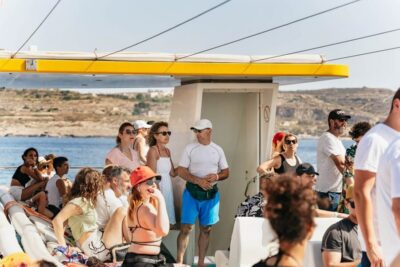
Gozo & Comino Islands, Blue Lagoon & Seacaves Tour
Read our review →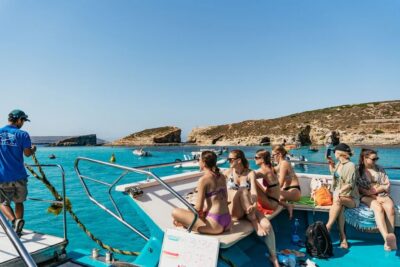
Comino: Blue Lagoon, Crystal Lagoon, and Seacaves Tour
Read our review →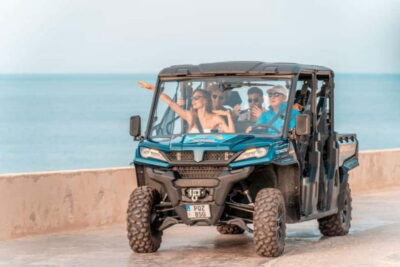
Full-Day Gozo UTV Tour with Lunch and Boat Ride
Read our review →
Highlights of Malta & Mdina Full Day Tour with Lunch
Read our review →
The Three Fortified Cities Tour including Boat Trip
Read our review →