
Reviewed · WORKSHOPS
Malta Surf School, Beginner Surf Lessons
This beginner surf lesson in Malta is interesting because you get coached from the first basics, on clear-water conditions, with a group size small enough that you are not just standing around watching others. Malta Surf School keeps things beginner-focused and practical, even if the sea has other plans.
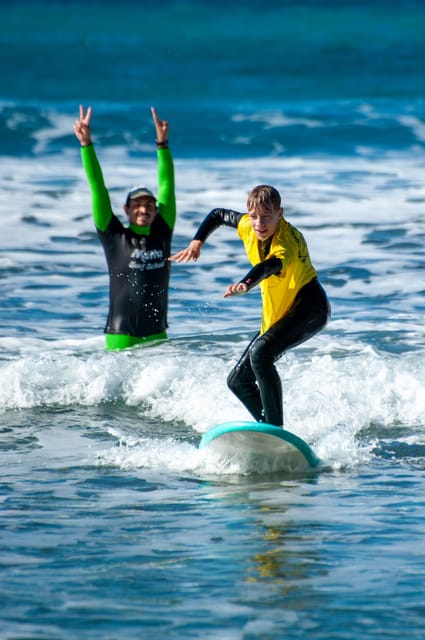
What I like most is the small group limit (max 6). It means you get real attention when your pop-up is more like a dance move than a surf move. I also like that the lesson builds step by step, starting on the sand and then moving into chest-high water with instructors right there.
One thing to consider: it is weather-dependent. If there are no waves, your surf plan may shift to alternatives like stand-up paddleboarding, wakeboarding, or a boat tour, so build in flexibility.
Key things to know before you go
- Max 6 per group means less waiting and more individual help
- Sand practice first for pop-up and take-off, so you learn the mechanics before the sea
- Chest-high water session with guidance on paddling, wave catching, and safe movement
- Equipment included (surfboard and wetsuit), so you can pack lighter
- Multi-language coaching (English, Italian, Spanish) if you want to ask questions fast
- Weather-dependent surfing, with backups like stand-up paddleboarding or wake options
Beginner surf in Malta, what the 1-hour lesson actually feels like
If you have never surfed, you will probably expect a wave to magically appear and solve everything. This lesson does the opposite, in a good way. You start by learning how the board works, how your body should move, and how to get up without panic. That order matters, because surfing is mostly timing plus balance, not heroics.
The session runs for 1 hour, but you are not really learning just in that hour. You also need time to get suited up and do a short pre-lesson briefing. Show up 15 minutes early so you can get comfortable, listen closely, and avoid that last-minute scramble that always makes first lessons harder.
You will also notice a supportive tone right away. People in the water are beginners too, so the vibe stays practical and friendly. One coach stays on teaching, while helpers support in the shallows and help with positioning when you need it most.
A few more Mgarr options to weigh up
- Sunday: Ghajn Tuffieha (Riviera) Beach Yoga Class
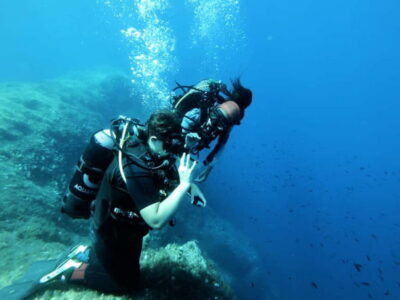
★ 5.0 · 3 reviews - Malta: First Experience Scuba Diving Lesson
★ 4.6 · 415 reviews - Malta: Chocolate Making Workshop
★ 4.8 · 80 reviews
Where you meet, and how to not miss the group
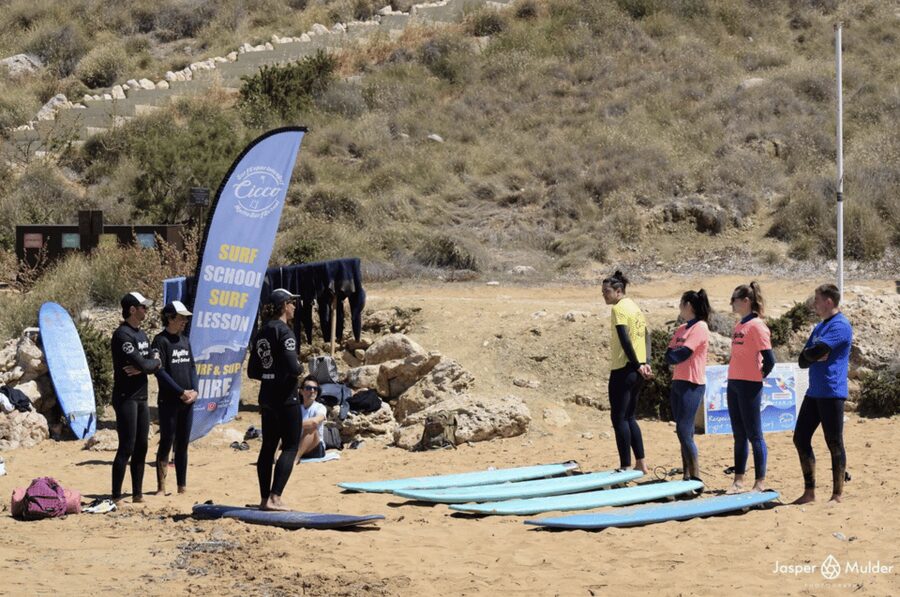
Meeting point is on the beach near Singita kiosk, at the end of the steps. Look for the school’s blue flag. That blue flag is your shortcut to the right spot, especially if there are other activities along the shoreline.
If you are coming from Sliema or St. Julian’s, you can use bus 225. From Valletta, take bus 44. From Bugibba or St. Paul’s Bay, use bus 223. If you are hopping between neighborhoods in Malta, plan your timing so you arrive a bit early, because once everyone is in wetsuits, the lesson has to start on schedule.
The lesson flow, sand to chest-high water
Here is the arc of the class, and what each stage is doing for you.
1) Beach introduction and safety basics
You begin on the beach with a briefing on the surfboard, safety, and surf spot conditions. This is where you learn what to do before you even think about standing up. You get direction on how to handle the board in the water and what to watch for around other surfers.
This part matters more than it sounds. Bad safety habits come from confusion. Good instruction reduces confusion fast, and that keeps your energy for the fun parts.
Same islands, a different way to spend the day:
- Malta: Comino, Gozo, Blue & Crystal Lagoon, and Caves Cruise
★ 4.7 · 1,408 reviews - Malta: Blue Lagoon, Comino, Gozo & Crystal Lagoon Sea Caves
★ 4.7 · 453 reviews - Malta: Comino, Blue lagoon Private Speed Boat Tour
★ 5.0 · 214 reviews - Cirkewwa/Mgarr: Blue and Crystal Lagoon Private Boat Charter
★ 4.8 · 65 reviews
2) Stand-up and take-off practice on the sand
Next comes the part that makes a big difference for first-timers: take-off technique and standing up, practiced on the sand. You are building muscle memory before you add waves, wind, and spray.
Instead of trying to copy someone else’s surf video, you are working on your body sequence. Where your feet go, how you transition from lying to sitting to standing, and how to pop up quickly enough to catch the moment.
If you have two left feet, that is fine. Everyone does at the start. The goal here is to get your movements clear, repeatable, and less chaotic.
3) Into chest-high water for paddling and wave catching
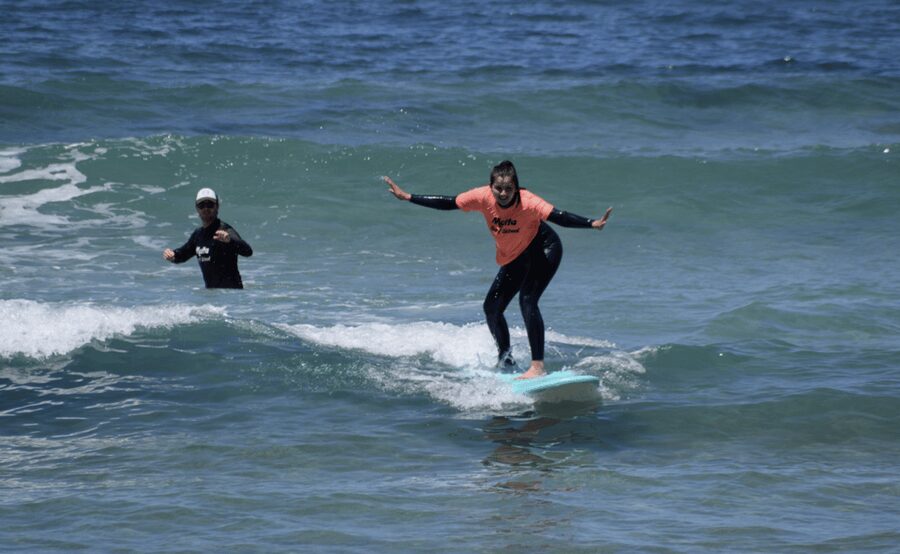
After sand practice, you move into chest-high deep water (guided the whole time). Now the lesson shifts from mechanics to movement in the ocean.
You will work on:
- Paddling with guidance so you are not fighting the water
- How to catch waves with practical tips, not vague advice
- Safe positioning as you try again and again
Instructors stay hands-on with coaching cues, and the help team stays around for support. The goal is not just one try, it is multiple attempts with feedback while you still feel the learning.
4) Fun, repetition, and those first real rides
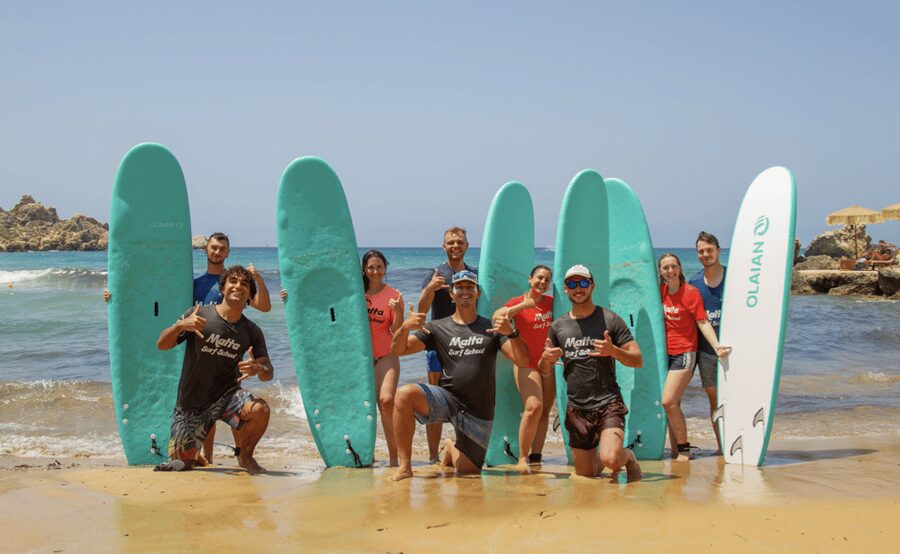
By the end, the lesson becomes more about repetition and confidence. Even if your first wave attempt does not work, the structure keeps you learning toward the next attempt. You also get time to enjoy the moment with your group, which helps you stay relaxed instead of tense.
If you do get up on a wave, you will understand why people say surfing changes your brain chemistry. The hard part becomes worth it, fast.
Why the small-group format is the real value
At max 6 participants, you are more likely to get corrected in the exact moment you need it. In larger groups, you often get one general tip and then you are on your own. Here, coaching can stay specific.
This is also why the lesson tends to feel encouraging. Coaches and helpers can watch your position, your pop-up timing, and whether you are aiming at the right area. That is hard to do when the group is bigger.
In reviews, the staff is consistently described as helpful, clear, and patient. One instructor is even singled out by name, Valerio, with praise for step-by-step teaching and follow-through. That kind of attention is what you want for a beginner session.
Equipment included, and what that means for your packing list
Price is €60 per person, and it may appear as about $71 depending on your currency. Either way, the important detail is what you get for that amount.
Your lesson includes:
- Surfboard
- Wetsuit
- Instructor coaching for the full session
That is strong value for a beginner class. When you factor in board and wetsuit rental, plus a coach on hand, you are basically paying for the instruction and getting the gear bundled in.
For what to wear, you will want to follow seasonal guidance. You can wear a swimsuit or board shorts under the wetsuit in winter. In summer, the school may use its branded T-shirt guidance for what to bring and wear. Either way, plan for water time and a wetsuit fit that feels snug but not uncomfortable.
What to bring (and what to avoid) so you stay comfortable
This is the practical checklist that keeps your lesson smooth.
Bring:
- Sunscreen
- Water
- Swimwear
- Towel
- Change of clothes
You will also want a dry layer for after, because you are going to be wet once you hit the water and work up a sweat doing something that feels harder than it looks.
Not allowed: alcohol and drugs.
One helpful habit is to moisturize and re-check sunscreen before your lesson if you are getting sun. It is easy to forget when you are focused on balance and timing.
Weather is part of the plan here, not a surprise
All activities are weather-dependent, which is honest and also means you should plan with flexibility. If there are no waves, the school offers alternative activities such as stand-up paddleboarding, wakeboarding, or boat tours.
How to use this info as a traveler:
- If you are on a tight schedule, pick a day where you can tolerate a change.
- If your schedule is flexible, this is a great use of time, because you still leave with an aquatic experience even if the surf does not cooperate.
- Keep your expectations realistic. The ocean decides what happens, the instructors decide how you learn within those conditions.
Languages and communication, so you understand the cues fast
If you want to ask questions or you learn best when you can follow exact instructions, this matters. Instructors are listed as speaking English, Italian, and Spanish.
That can speed things up during your sand practice and during your attempts in the water. Surfing is physical, but coaching cues are mental too. When you understand what the coach is asking you to do, you improve faster and you get more wave attempts with confidence.
Who this surf lesson suits best (and who should skip it)
This is built for beginners, including people who want their first wave with coaching and safety support. It is also a good fit if you like structure, clear instruction, and a small group.
However, it is not suitable for:
- People with mobility impairments
- Non-swimmers
- Pregnant women
- Children under 16
If any of those apply, this may not be the right activity for you. Also remember the lesson happens in water conditions, so even if you feel adventurous, follow the suitability rules.
Price, value, and how to decide if it is worth your time
Let’s talk value without guesswork. You pay €60 for a 1-hour beginner lesson with surfboard and wetsuit included, plus coaching and safety guidance throughout.
Is it worth it? In most cases, yes, because beginner surfing is where coaching saves you time. Without instruction, you spend most of the session struggling with board position, pop-up timing, and wave selection. With instruction, you get a repeatable process, and even if you only catch a few waves, you leave with skills you can actually build on.
Also, the small-group limit boosts value. You are paying for instruction, not for a crowded experience.
The biggest “value” trade-off is weather. If conditions do not cooperate, your session may switch to paddleboarding, wakeboarding, or a boat tour. That can still be fun, but it is not the same as surfing, so your decision depends on how much you care about surfing specifically.
A few tips to maximize your first session
You do not need to be fit for this. You do need to be willing to learn and do the basics correctly.
- Arrive early and get suited up without rushing. Your first attempt in the water gets better when your head is clear.
- Listen on the beach. The sand practice is where you fix your pop-up sequence.
- Stay relaxed. Tension makes your balance worse.
- Plan to bring a towel you do not mind getting wet, and a change of clothes for after.
- If you get a coaching cue that feels strange, try it for two attempts before you judge it. Surf learning is quick feedback, not instant perfection.
Should you book this beginner surf lesson in Malta?
Book it if you want a beginner-friendly surf introduction with small-group coaching, included gear, and a clear plan from sand practice to coached time in chest-high water. It is also a smart pick if you like structured instruction and you want safety taken seriously.
Skip or reconsider if you cannot meet the suitability requirements (non-swimmer, mobility constraints, pregnancy, or under-16 age). Also be realistic about the weather dependency. If you are the kind of traveler who needs everything to be exactly the same, you may find the surf conditions frustrating. If you can roll with a backup activity, you are set up for a good day on the water either way.
FAQ
How long is the beginner surf lesson?
The lesson lasts 1 hour.
How big are the beginner groups?
Groups are small, limited to a maximum of 6 participants.
What is included in the price?
The lesson includes beginner group instruction and equipment, including a surfboard and a wetsuit.
Where is the meeting point?
You meet at the beach near the Singita kiosk, at the end of the steps. Look for the school’s blue flag.
What should I bring with me?
Bring sunscreen, water, swimwear, a towel, and change of clothes.
What should I wear?
You should wear a swimsuit or board shorts under the wetsuit in winter. In summer, you should wear a swimwear base and bring the school’s branded T-shirt guidance.
What if there are no waves?
All activities are weather-dependent. If there are no waves, the school offers alternative activities such as stand-up paddleboarding, wakeboarding, or boat tours.
Are non-swimmers allowed?
No. The lesson is not suitable for non-swimmers.
What is the cancellation policy?
You can cancel up to 24 hours in advance for a full refund.
Added recently in Mgarr
- Half Day Tour in Marsaxlokk Village, Market, Blue Grotto & Qrendi★ 4.5 · 3 reviews
- Prehistoric Temples and Highlights of the South Full-Day Tour★ 4.0 · 26 reviews
- Malta: Comino, Blue lagoon Private Speed Boat Tour★ 5.0 · 214 reviews
- Sunday: Ghajn Tuffieha (Riviera) Beach Yoga Class★ 5.0 · 3 reviews
- Party Prowl: Crystal Lagoon, Gozo, Santa Maria Caves, Malta★ 4.6 · 4 reviews
- Comino Blue Lagoon: Private Boat Charter (2 Hours)★ 4.6 · 27 reviews
- Photo Shoots Adventure – Trips in Lovers Cave, Gozo & Comino★ 5.0 · 3 reviews
- Mgarr/Cirkewwa: Comino, Gozo & Blue Lagoon Private Boat Trip★ 4.9 · 18 reviews
Workshops, compared.





Maltese Tile – Souvenir painting workshop with local
Read our review →
Workshop: Maltese Souvenir Tile Design Experience
Read our review →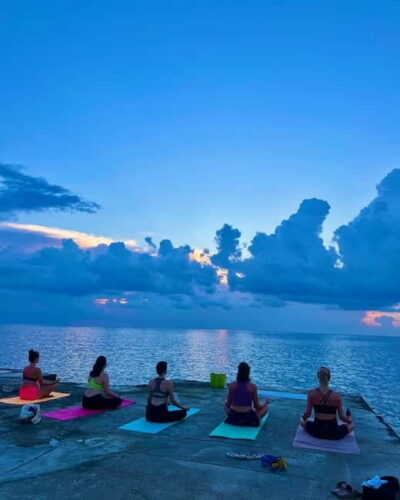
Browse the lists this tour appears in